Introduction
This article presents an in‑depth comparison of the 2026 Kawasaki Z900 and 2026 Yamaha MT‑09, two flagship middleweight naked motorcycles. These models occupy a highly competitive segment where performance, daily usability, technology, and value are equally important.
In terms of pricing for 2026, the motorcycles are positioned as follows:
- Kawasaki Z900:
- USA MSRP: ~$9,999 for the base model; ~$11,999 for the SE/premium version.
- Europe MSRP: ~€10,995 for the standard model; higher for SE variants depending on country and taxes.
- Yamaha MT‑09:
- USA MSRP: ~$10,899 for the base model; ~$12,699 for the SP/premium version.
- Europe MSRP: ~£9,810–£10,360 (~€11,000+) for standard; SP variant around €13,000+, depending on local VAT and fees.
These prices place both motorcycles in the mid‑tier naked segment, offering strong performance and technology relative to their class. The slight premium of the MT‑09 reflects its advanced electronics, lighter chassis, and optional high-end components, while the Z900 emphasizes value and balanced equipment across trims.
Below, each aspect is analyzed and compared to help you determine which motorcycle is the better fit based on objective criteria.
1. Engine & Performance
2026 Kawasaki Z900
- Engine: 948 cc liquid‑cooled 4‑stroke inline‑four, DOHC, 16‑valve.
- Maximum power: ~124 PS @ 9,500 rpm.
- Maximum torque: 97.4 Nm @ 7,700 rpm.
- Transmission: 6‑speed with return shift; chain final drive.
- Fuel consumption ~4.8 L/100 km, CO2 ~117 g/km.
Engine Character
The Z900’s four‑cylinder engine delivers power in a linear, smooth fashion with a strong mid‑to‑high‑rev range, suitable for both spirited street riding and highway cruising. It has robust grunt off the bottom and a classic inline‑four sound and feel.
Kawasaki Z900
Kawasaki Z900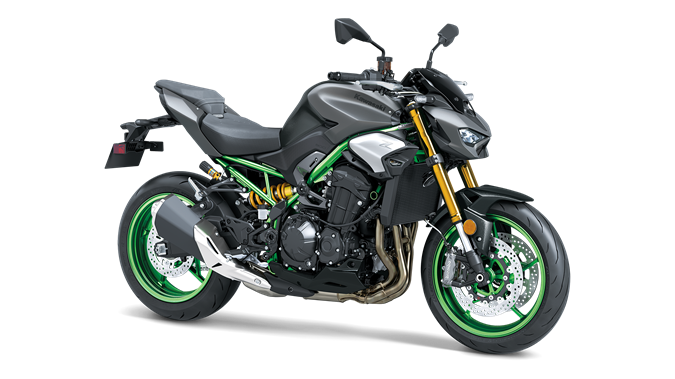
2026 Yamaha MT‑09
- Engine: 890 cc liquid‑cooled inline‑three, DOHC, four valves per cylinder.
- Maximum power: ~119 PS @ 10,000 rpm; torque ~93 Nm @ 7,000 rpm.
Engine Character
The MT‑09’s 890 cc CP3 triple‑cylinder engine is known for strong low‑to‑mid torque delivery, engaging acceleration, and a distinctive induction/exhaust note. Its smaller displacement but efficient combustion and crossplane design make it a lively, responsive engine with energetic real‑world performance.
Yamaha MT‑09
Yamaha MT‑09
Comparison Notes
- Z900 generally offers slightly higher peak power and torque on paper, while MT‑09’s torque curve and throttle response feel more immediate and playful in everyday riding.
- MT‑09 engine character is often described as more engaging and emotionally exciting, whereas Z900 tends to feel smoother and more predictable.
2. Chassis, Frame & Handling
2026 Kawasaki Z900
- Frame: High‑tensile steel trellis.
- Front Suspension: 41 mm inverted fork with preload & rebound adjustability.
- Rear Suspension: Monoshock with adjustable preload and damping.
- Wheelbase: 1,450 mm.
- Weight: ~193 kg dry / ~213 kg curb.
- Fuel tank: 17 L.
- Seat height: ~810–830 mm.
Handling Characteristics
Z900’s chassis emphasizes stability and confidence at speed, with a longer wheelbase and substantial weight that contribute to superb straight‑line manners and calm behavior in sweeping turns.
Kawasaki Z900
Kawasaki Z900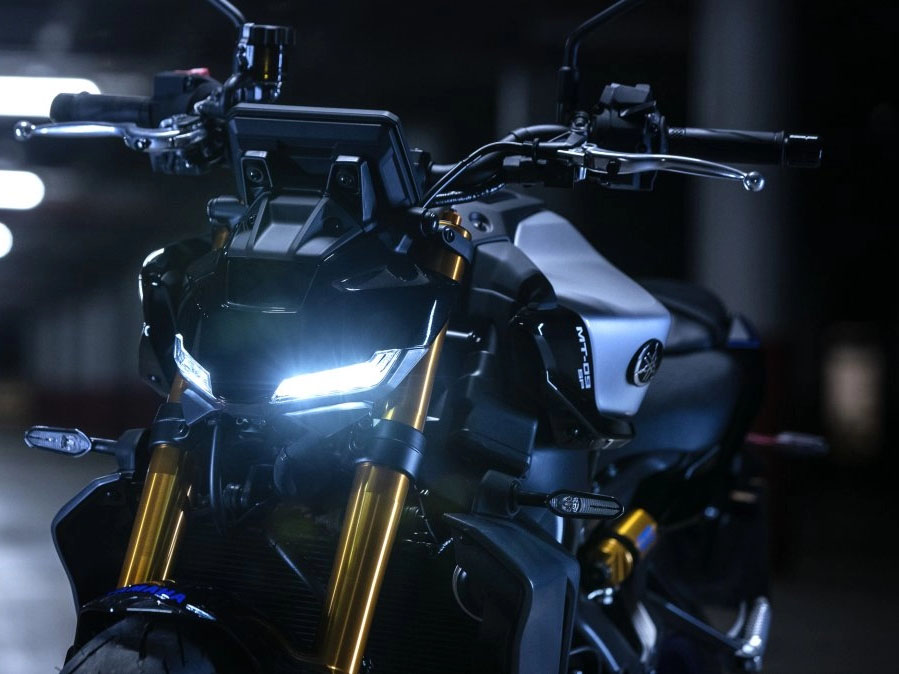
2026 Yamaha MT‑09
- Frame: Lightweight CF die‑cast aluminium frame.
- Front Suspension: 41 mm inverted fork (preload, compression, rebound adjustable).
- Rear Suspension: Monoshock with preload and rebound damping.
- Wheelbase: ~1,430 mm.
- Wet weight: ~193 kg.
- Fuel tank: ~14 L.
- Seat height: ~825 mm.
Handling Characteristics
The MT‑09’s lightweight aluminium chassis and shorter wheelbase provide sharper turn‑in and agile handling. Riders often report the MT‑09 feels more lively and responsive in tight bends and quick transitions.
Yamaha MT‑09
Yamaha MT‑09
Comparison Notes
- Z900 feels more planted at high speed and stable in long corners, while MT‑09’s lighter chassis gives it quicker responses in technical riding.
- The MT‑09’s design also supports lower overall mass, aiding agility and ease of control in urban environments.
3. Braking, Wheels & Tires
2026 Kawasaki Z900
- Brakes: Dual 300 mm semi‑floating discs with radial‑mount 4‑piston calipers and ABS; rear 250 mm disc.
- Tires: Front 120/70‑17; Rear 180/55‑17.
Kawasaki Z900
Kawasaki Z900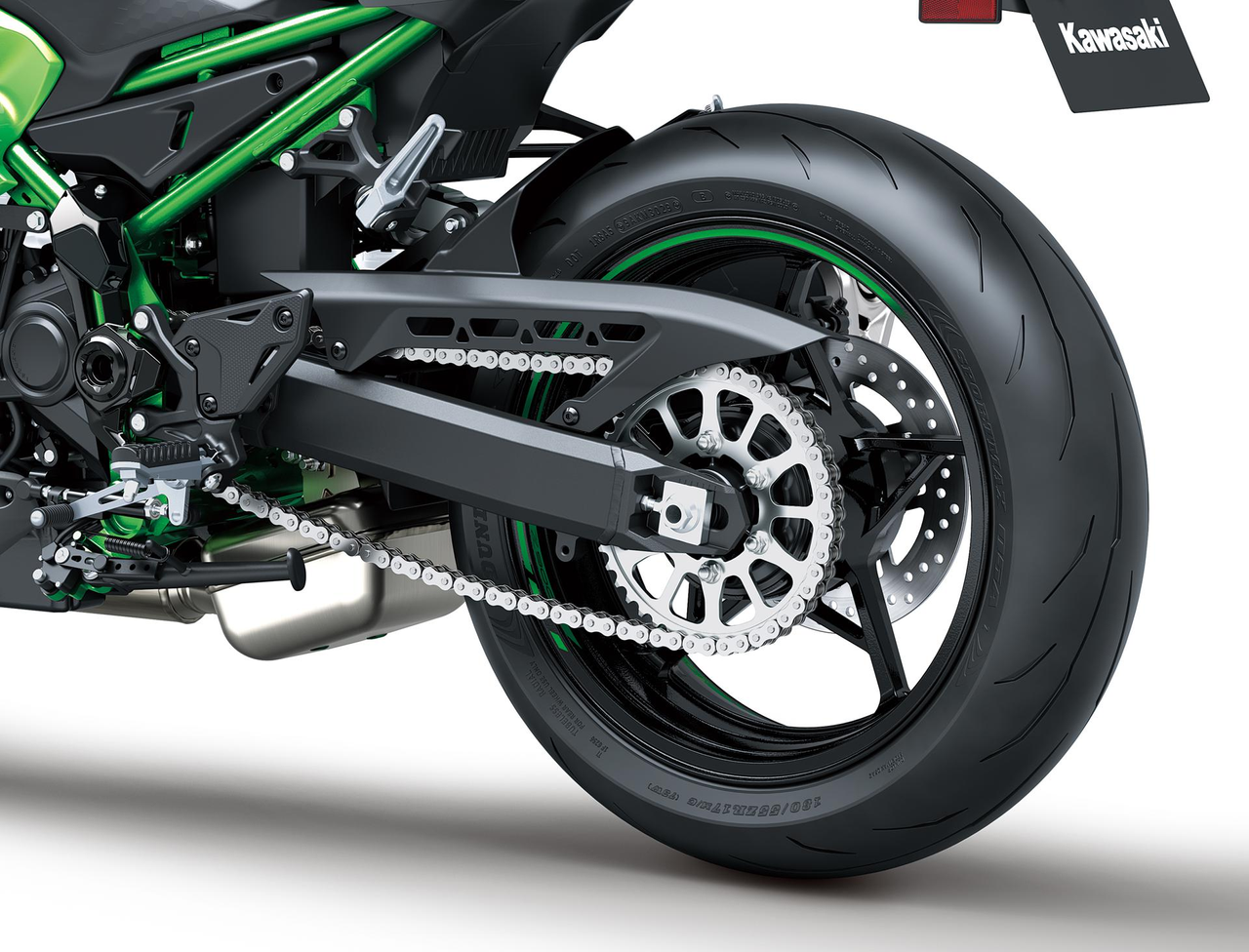
2026 Yamaha MT‑09
- Brakes: Dual 298 mm hydraulic discs with radial‑mount 4‑piston calipers; rear 245 mm disc with ABS.
- Tires: Front 120/70‑17; Rear 180/55‑17.
Yamaha MT‑09
Yamaha MT‑09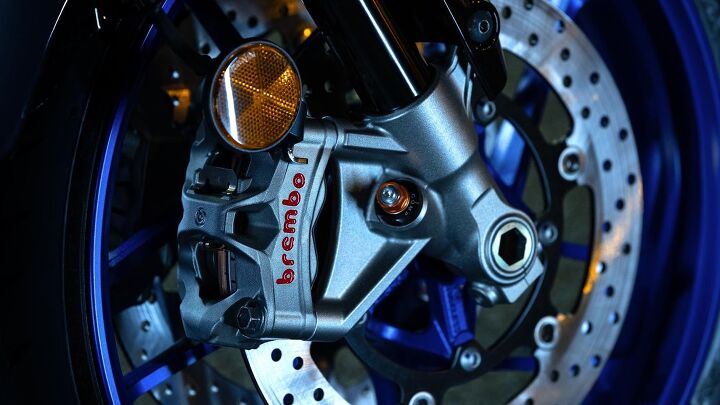
Assessment
Both bikes utilize high‑performance braking systems typical of their class. Z900’s slightly larger discs give it a minor edge in thermal capacity and braking leverage, while MT‑09’s Brembo‑equipped radial system (especially on SP trim) offers excellent modulation and bite.
4. Electronics & Technology
2026 Kawasaki Z900
- 5″ full‑color TFT display with Bluetooth connectivity and navigation support.
- Six‑axis IMU powering Kawasaki Cornering Management Function (lean‑sensitive ABS and traction control).
- Multiple ride modes (Sport, Road, Rain, Custom).
- Quick shifter (KQS) and cruise control standard on many trims.
Kawasaki Z900
Kawasaki Z9002026 Yamaha MT‑09
- 5″ full‑color TFT display with smartphone connectivity and turn‑by‑turn navigation.
- Advanced six‑axis IMU with lean‑sensitive Traction Control System (TCS), Slide Control System (SCS), Lift Control (LIF), and brake control.
- Ride‑by‑wire throttle (YCC‑T), adjustable riding modes, and customizable Yamaha Ride Control (YRC).
- Assist & slipper clutch and advanced Quick Shift System (QSS) for up/down clutchless shifts.
Yamaha MT‑09
Yamaha MT‑09Assessment
MT‑09’s electronics suite is highly sophisticated, with deeper lean‑sensitive control (including slide and lift systems) and customizable rider aids. Z900’s technology is strong with cruise control and connectivity but generally less extensive in dynamic rider aids.
5. Ergonomics, Comfort & Usability
2026 Kawasaki Z900
- Upright naked posture with relaxed ergonomics.
- Wider handlebars and spacious seating lend comfort for commuting and longer rides.
- Larger fuel tank (17 L) supports extended trips without frequent refueling.
Kawasaki Z900
Kawasaki Z9002026 Yamaha MT‑09
- Slightly sportier and more engaged riding position.
- Adjustable handlebar and footpeg positions on certain trims (e.g., SP).
- Smaller fuel tank (~14 L) but ergonomics tailored for active riding.
Yamaha MT‑09
Yamaha MT‑09Assessment
Z900’s ergonomics tend to favor long‑distance comfort and everyday usability. In contrast, MT‑09’s slightly sportier layout helps with rider feedback and handling during dynamic riding.
6. Styling, Build Quality & Presentation
Kawasaki Z900
- Sugomi design language with aggressive, compact lines and modern LED lighting.
- New seat and ergonomic refinements aimed at improved comfort.
- Quality Nissin radial brake calipers and optional premium components (e.g., Öhlins/Brembo on SE).
Kawasaki Z900
Kawasaki Z900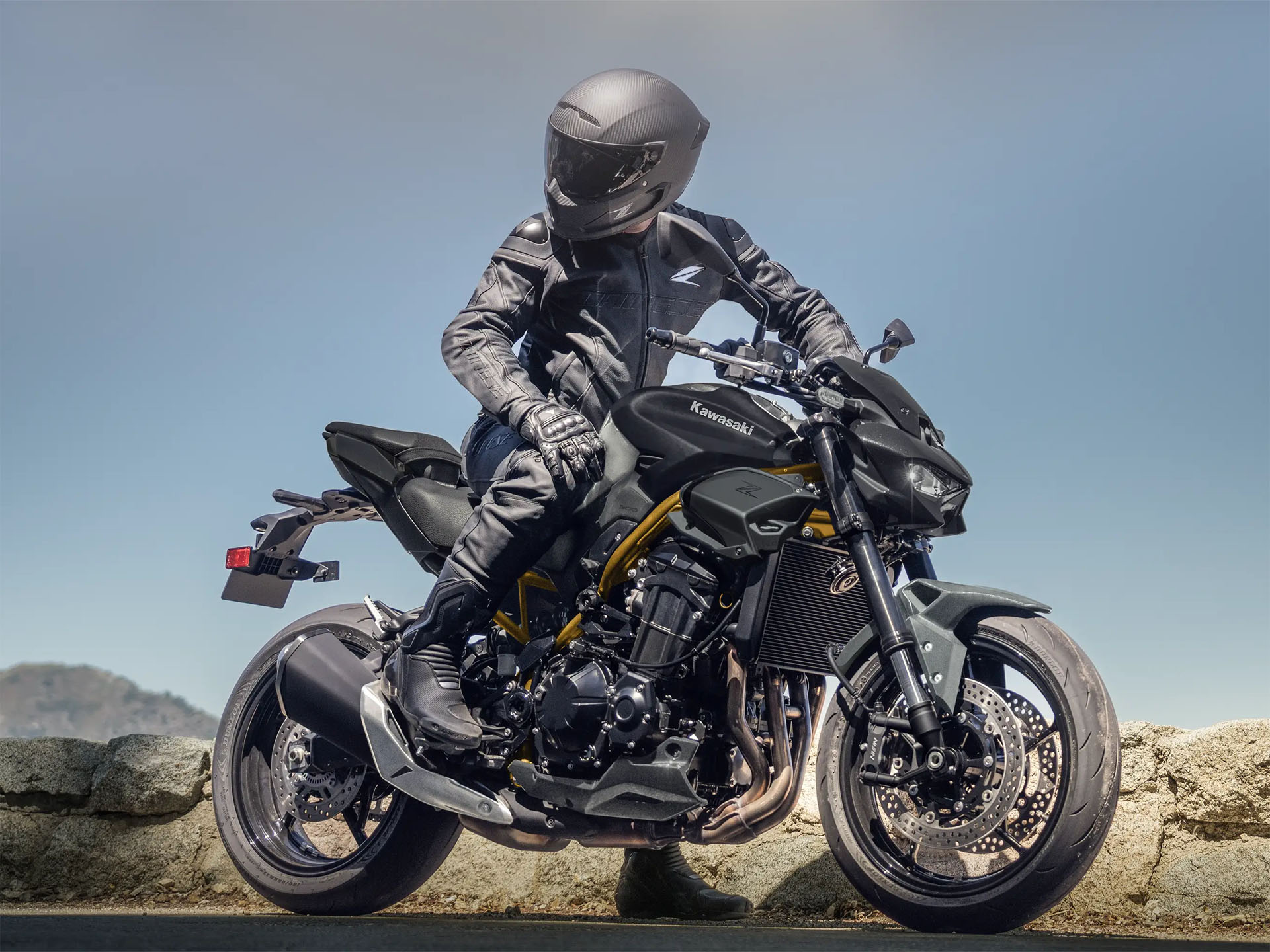
Yamaha MT‑09
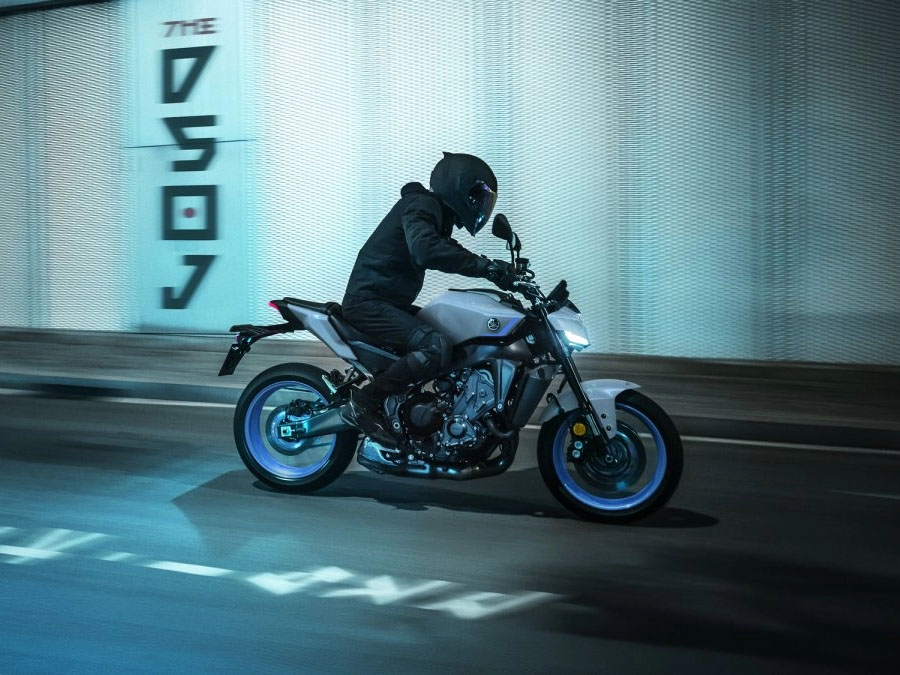
- Aggressive Hyper Naked styling with minimal bodywork and sharp LED lighting.
- Fine detailing and compact package reinforce the sporty character.
- MT‑09 SP adds premium finishes and advanced suspension components.
Yamaha MT‑09
Yamaha MT‑09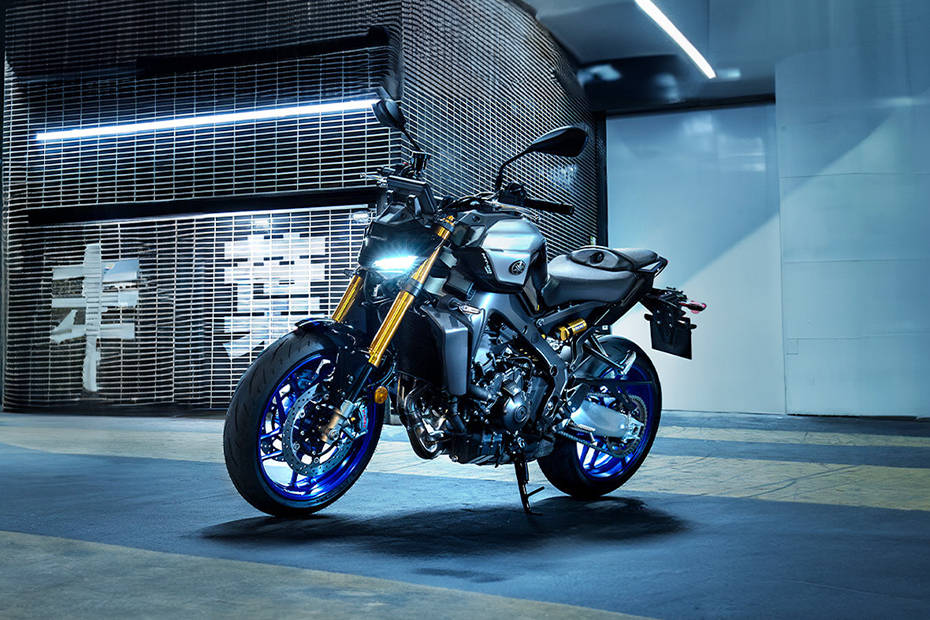
7. Pricing & Value
2026 Kawasaki Z900
- Example MSRP: ~$9,999 (base) / ~$11,999 (SE) in US markets; ~€10,995 in EU markets.
Kawasaki Z900
Kawasaki Z9002026 Yamaha MT‑09
- MSRP typically starts slightly higher (e.g., ~$10,899 base), with SP variants above that.
Yamaha MT‑09
Yamaha MT‑09Assessment
Z900 is often priced competitively, offering strong standard equipment and comfort. MT‑09 commands a premium that reflects its advanced electronics, lightweight construction, and dynamic performance characteristics.
8. Ownership & Real‑World Use
Fuel Economy
- Z900 estimated ~4.8 L/100 km.
- MT‑09 estimated ~5 L/100 km, with modern CP3 engine efficiency.
Real‑World Character
Community impressions suggest the MT‑09 often feels more engaging and playful, particularly at lower speeds and during cornering, while Z900’s strength is its smooth, stable behavior and comfort for longer rides.
9. Known Issues, Common Complaints, and Rider Criticisms
Since the 2026 Kawasaki Z900 and 2026 Yamaha MT‑09 are brand‑new models, there are no direct rider reports yet about issues specific to the 2026 versions. However, looking at common problems and rider feedback from previous years (and specifying clearly that these relate to earlier model years), we can outline potential areas that riders have criticized in the past. These insights can help anticipate what owners might watch for with the 2026 models and which issues manufacturers have typically addressed already.
A. Yamaha MT‑09 – Known Problems and Complaints (Past Model Years)
While Yamaha’s MT‑09 is generally regarded as lively and engaging, owners of earlier MT‑09 generations (especially around 2017–2023) have reported several recurring issues that may be worth noting for comparison or buyer awareness:
1. Engine and Mechanical‑Related Issues
- Oil leaks near the exhaust area have been reported, often linked to gasket/seal issues or installation variances.
- Throttle Position Sensor (TPS) failures leading to hesitation, surging, or erratic throttle behavior; this was notable enough that some later model years received updated TPS parts.
- Hard starting or stalling, especially at low speeds or when hot, has been mentioned in owner forums and problem lists.
- Strange sounds or vibration at higher RPMs or after modifications – while sometimes “normal” MT‑09 noise, some riders find it concerning.
- Some riders talk about clutch area noise and clutch drag/slip, which affects shifting feel and may require mechanical attention.
2. Electronics and Behaviour
- Quick shifter (QS) malfunctions or failures (intermittent function or fault lights) have been reported by some owners in older model years.
- Engine management lights related to sensors (e.g., O2) lighting up after water exposure or wet conditions, though often non‑critical and sometimes auto‑clearing.
- Some riders mention low‑speed throttle surging or stalling issues that may be connected to throttle body tuning or ECU behaviour in older models.
3. Structural and Handling Concerns
- A few riders have discussed frame cracks or concerns about aluminium frame fragility after crashes (though many note this may be crash‑related rather than a factory defect).
- Older forum comments also include complaints about tight turning radius or uncomfortable stock seating on long rides.
General Pattern Notes for Yamaha MT‑09
- Most of these issues come from older MT‑09 model years (pre‑2026) and may have been addressed by Yamaha over successive updates; however, they remain part of rider discussions and skepticism about ongoing reliability or quirks.
- Many riders praise the engine character and electronics, but acknowledge that technical gremlins in earlier years sometimes required dealer intervention.
Kawasaki Z900
Kawasaki Z900B. Kawasaki Z900 – Known Problems and Complaints (Past Model Years)
The Z900 also has its share of rider‑reported issues from earlier model years. While the platform overall has a solid reputation, here are the recurring criticisms gleaned from community feedback and reviews:
1. Mechanical and Ride‑Feel Complaints
- Snatchy throttle response at low speeds was mentioned in older ride reviews, implying throttle mapping could be abrupt in earlier model years.
- Some riders note clutch and gearbox feeling inconsistent or not as refined as expected, including occasional gearbox vagueness or clunkiness with upshifts.
- Another comment thread referenced that stock tires (e.g., OEM Dunlops) are widely regarded as under‑performing, with grip issues especially in wet conditions.
2. Ergonomics and Comfort Criticisms
- Firm stock seat is frequently mentioned as uncomfortable on longer rides.
- Some riders discuss seat and tail design issues for shorter riders, such as difficulty swinging a leg over the bike due to high tail plastics.
- Mirrors and small comfort details are occasionally called out as low‑quality or unimpressive.
3. Minor Usability and Component Notes
- Lack of factory‑fitted quickshifter on some trims before the most recent refresh was a complaint among some owners.
- Some riders noted idle or throttle snap issues typical of modern motorcycles with aggressive ECU tuning, though these are often subjective rather than mechanical failures.
General Pattern Notes for Kawasaki Z900
Gearbox or shifting feel is brought up in some owner reports, but not at a scale suggesting widespread mechanical failure.
Many complaints are minor comfort, accessory, or tuning points rather than critical reliability issues e.g., seat comfort, throttle feel, or OEM tire quality.
Yamaha MT‑09
Yamaha MT‑09Conclusion
Summary of Key Differences
- Engine & Performance: Z900 offers more peak power; MT‑09 emphasizes torque and character.
- Chassis & Handling: MT‑09 is lighter and sharper; Z900 is stable and confidence‑inspiring.
- Electronics: MT‑09 has a more advanced rider aid suite; Z900 focuses on usability and comfort.
- Ergonomics: Z900 suits long rides and commuting; MT‑09 favors spirited riding.
- Value: Z900 may provide better equipment per euro; MT‑09 rewards riders seeking tech and agility.
With these analyses, you can now integrate your 0–10 point scoring for each section (engine, handling, technology, comfort, brakes, styling, value, ownership) to visually compare which motorcycle excels in each category.