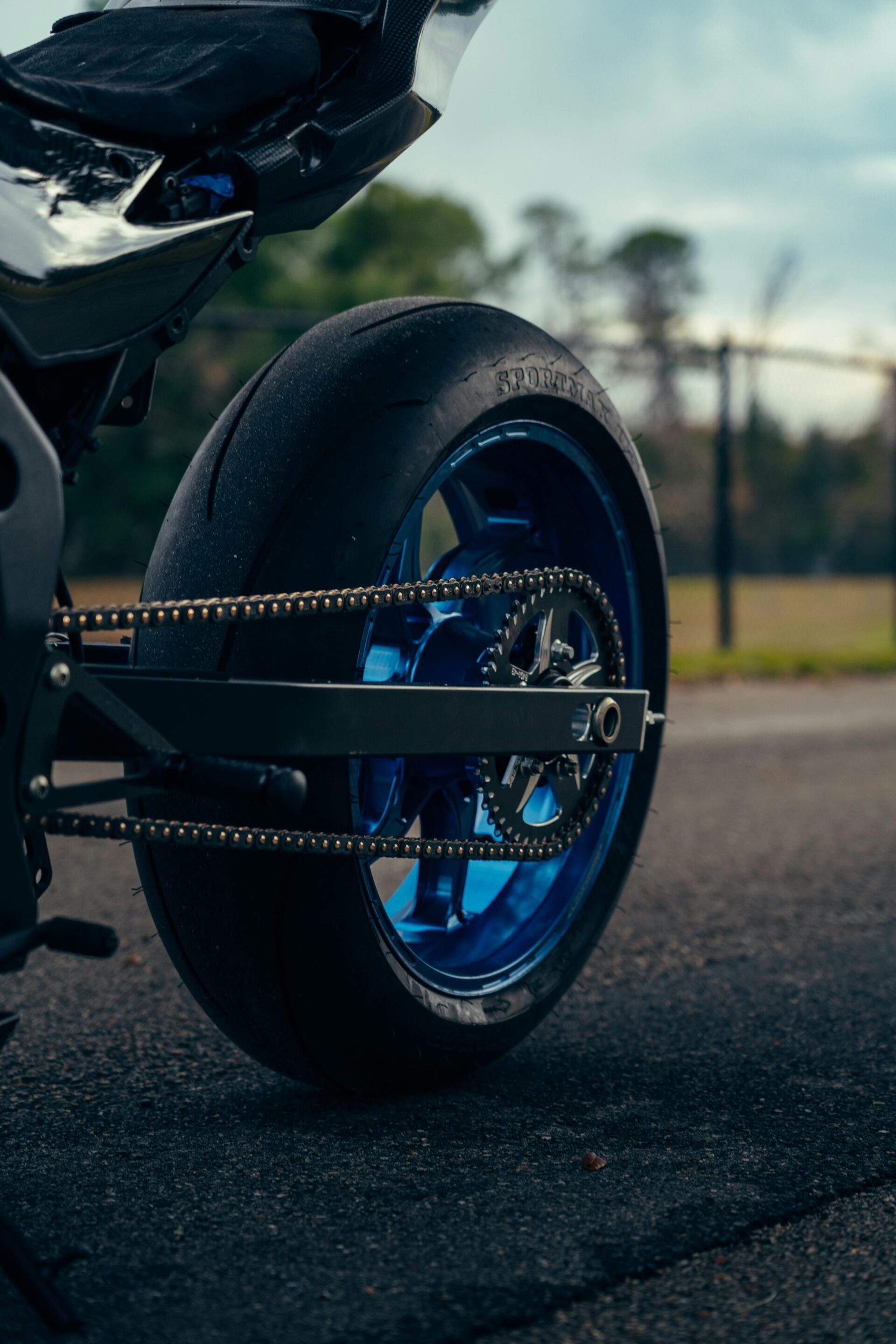
The modern motorcycle world is louder than ever. Not in terms of exhaust noise, but marketing. Every year, riders are told that a new device, system, or accessory will make riding safer, faster, smarter, or more enjoyable. The problem is not that these products exist. The problem is that many riders buy them without understanding whether they solve a real-world problem or simply look good in promotional material.
Experienced riders tend to simplify over time. Beginners often add more. That contrast alone says a lot.
This article takes a practical look at motorcycle gadgets and accessories through the lens of real riding experience, not advertising claims. It explains what consistently proves its value on the road, what depends on how and where you ride, and what is largely driven by marketing rather than necessity.
The Foundation: Things That Matter Before Any Gadget
Protective Gear That Works, Not Just Sells
Every rider knows a helmet is essential. What many underestimate is how much the rest of the gear affects riding quality, not just safety.
High-quality gloves improve throttle precision and braking feel. Poor gloves create pressure points, reduce feedback, and fatigue the hands long before the ride should end. Proper motorcycle boots stabilize the ankle, protect against heat and impact, and improve foot control on the pegs and shifter.
A well-constructed jacket and pants with real abrasion resistance and impact protection allow the rider to stay relaxed. When gear fits properly and moves naturally, the rider thinks less about discomfort and more about traffic, road surface, and positioning.
Experienced rider opinion:
“Once you stop fighting your gear, your riding improves immediately. Comfort equals focus. Focus equals safety.”
Tires: Where Marketing Is Quiet, but Reality Is Loud
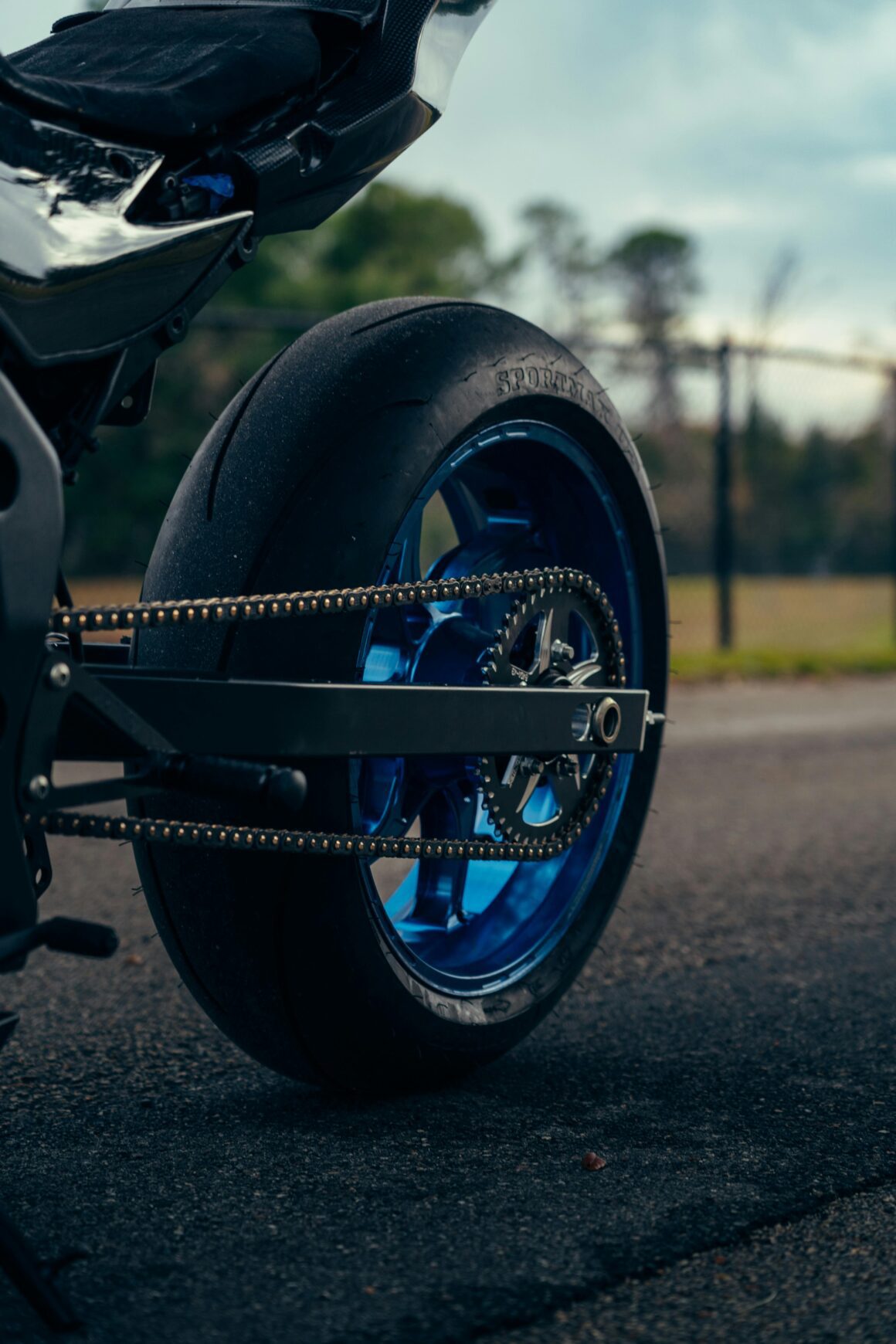
Tires rarely get the attention they deserve. They do not have screens, apps, or flashy packaging, but they define everything the motorcycle does.
The right tires improve braking distance, corner stability, wet grip, and overall predictability. The wrong tires, or simply worn ones, reduce confidence and force the rider to compensate without realizing it.
Many riders upgrade exhausts or suspension before changing tires. Seasoned riders often do the opposite.
Experienced rider opinion:
“I can adapt to power. I cannot adapt to bad grip. Tires are the first thing I replace, every time.”
Suspension Setup Beats Expensive Parts
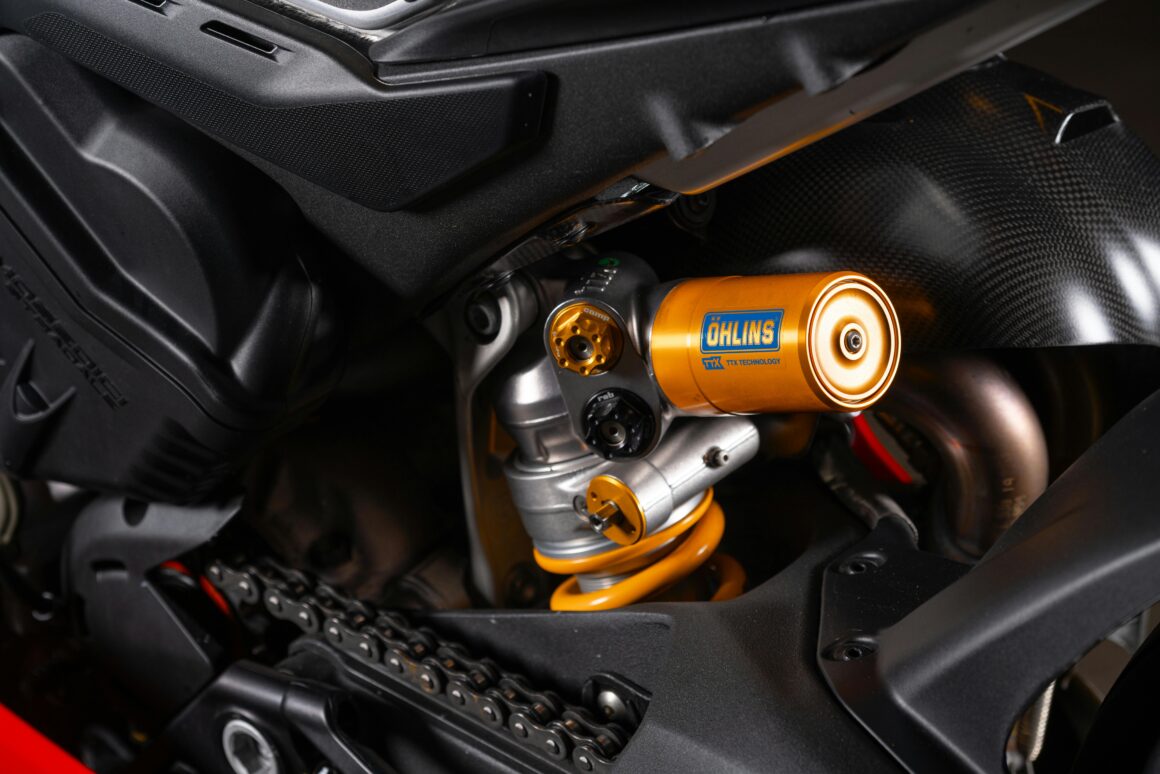
Aftermarket suspension components are heavily promoted, often with impressive technical language. While high-end suspension can be transformative, it is not automatically necessary.
What truly changes a motorcycle is correct setup. Sag adjusted for rider weight, damping set for road conditions, and balanced front-to-rear behavior make a bike feel stable, planted, and predictable.
Many riders discover that a properly set stock suspension performs far better than expected.
Experienced rider opinion:
“Most bikes do not need new suspension. They need someone who knows how to adjust what is already there.”
Electronics: Where Technology Actually Helps
ABS and Traction Control in the Real World
Electronic rider aids generate debate, but street riding is not a racetrack. Traffic, oil, gravel, rain, and sudden stops define real-world conditions.
ABS reduces the chance of panic braking errors. Traction control helps manage unpredictable surfaces and throttle inputs. These systems do not make riders careless by default; they provide a safety buffer when something unexpected happens.
Experienced riders often treat them as silent partners rather than crutches.
Experienced rider opinion:
“I hope I never need ABS. But the day I do, I am glad it is there.”
Heated Gear: Performance, Not Luxury
Heated grips, gloves, and jackets are often labeled comfort accessories. In practice, they directly affect rider performance.
Cold hands lose strength and precision. Reaction time increases. Grip becomes less secure. Heated gear keeps the rider alert, relaxed, and responsive, especially on long rides or during shoulder seasons.
For riders in colder US states, heated gear is not indulgence. It is functional equipment.
Experienced rider opinion:
“When your hands are warm, your brain works better. That matters more than people think.”
Practical Accessories That Earn Their Place
Luggage That Improves Stability
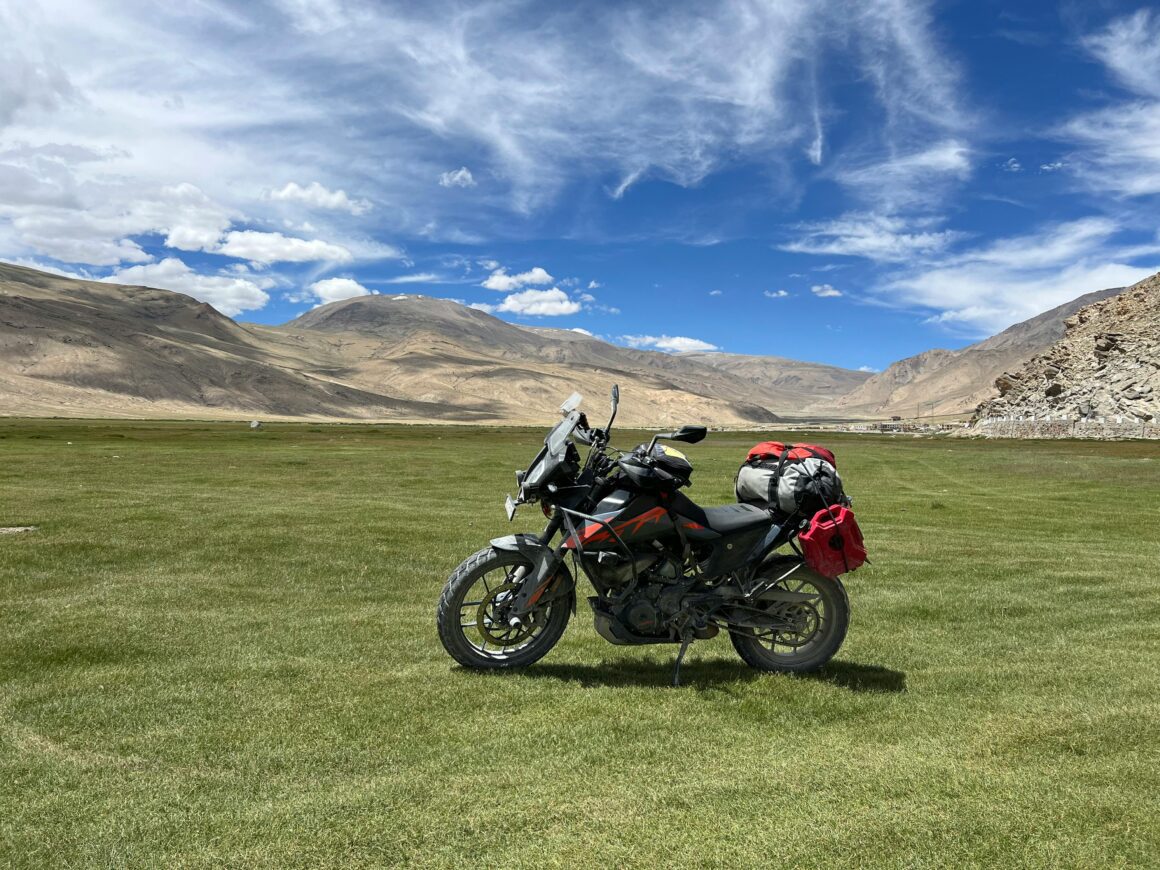
Carrying gear incorrectly affects balance and control. Backpacks shift weight and strain the rider. Poorly mounted bags can move unexpectedly.
Purpose-built luggage systems distribute weight evenly and stay secure at speed. Whether commuting or touring, proper luggage reduces fatigue and keeps the motorcycle predictable.
This is one area where function consistently outweighs appearance.
Navigation: Useful, If Treated With Respect
Navigation systems and phone mounts can be valuable tools, especially for touring or unfamiliar areas. The problem arises when riders interact with them too often.
A stable mount, minimal screen interaction, and clear glance-based information make navigation helpful. Constant adjustments, notifications, and app management turn it into a distraction.
Experienced rider opinion:
“If you are touching your phone while riding, something is wrong with your setup.”
Gray Area Gadgets: Useful for Some, Useless for Others
Action Cameras
Action cameras are popular, but their value depends entirely on intent.
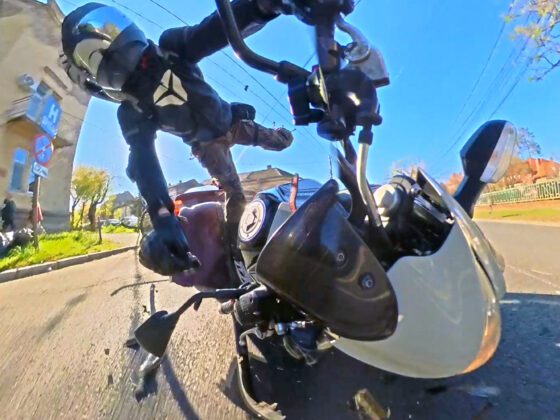
They can be useful for reviewing riding technique, documenting trips, or providing evidence in disputes. They can also become a distraction if the rider focuses more on recording than riding.
Used intentionally, they add value. Used carelessly, they add noise.
Communication Systems
Helmet communication systems can improve group riding and navigation, but they also introduce constant input.
Some riders benefit from them. Others find that silence improves awareness. This is a personal decision rather than a universal need.
Pure Marketing: Where Skepticism Is Healthy
Performance Claims That Do Not Translate to the Street
Many bolt-on performance parts promise noticeable gains. On the street, these gains are often theoretical rather than practical.
Slip-on exhausts change sound more than performance. Intake modifications feel dramatic but rarely improve usable power in everyday riding. The result is often more noise, not more control.
Experienced rider opinion:
“If it does not make the bike easier to ride, it does not make me faster on the street.”
Overengineered Smart Accessories
Smart sensors, app-connected devices, and data-heavy systems appeal to tech-minded riders. Many of them add complexity without solving a meaningful problem.
If a device demands attention, updates, or troubleshooting, it competes with the road for focus. On a motorcycle, that trade-off rarely makes sense.
How Experienced Riders Decide What to Buy
Veteran riders tend to ask the same questions before purchasing anything:
- Does this improve control, awareness, or comfort?
- Does it reduce fatigue or distraction?
- Will it still matter after the novelty wears off?
If the answer is unclear, they usually wait. Time filters hype better than marketing ever will.
Final Thoughts
The most valuable motorcycle upgrades are rarely exciting. They do not photograph well. They do not trend on social media. But they work.
Good tires, proper setup, effective gear, and thoughtful accessories consistently outperform flashy gadgets in real riding conditions. Experienced riders learn this through miles, not advertisements.
Motorcycling rewards simplicity, focus, and understanding. Spend money where it supports those principles, and ignore what only looks impressive.
The road does not care about marketing. It responds only to what actually works.