Many riders believe that speed and safety cannot coexist, but reality is more nuanced. Modern motorcycles are capable machines, and experienced riders often travel quickly while maintaining control, awareness, and discipline. Riding fast does not automatically mean riding dangerously. The key lies in judgment: choosing when speed is appropriate, understanding the limits of the road, the machine, and yourself, and knowing how to manage the risks that come with higher velocities. With the right mindset, training, and defensive techniques, it is possible to enjoy dynamic riding while keeping safety as the top priority.
Does Speed Really Matter in Motorcycle Accidents? (USA and Europe Perspective)
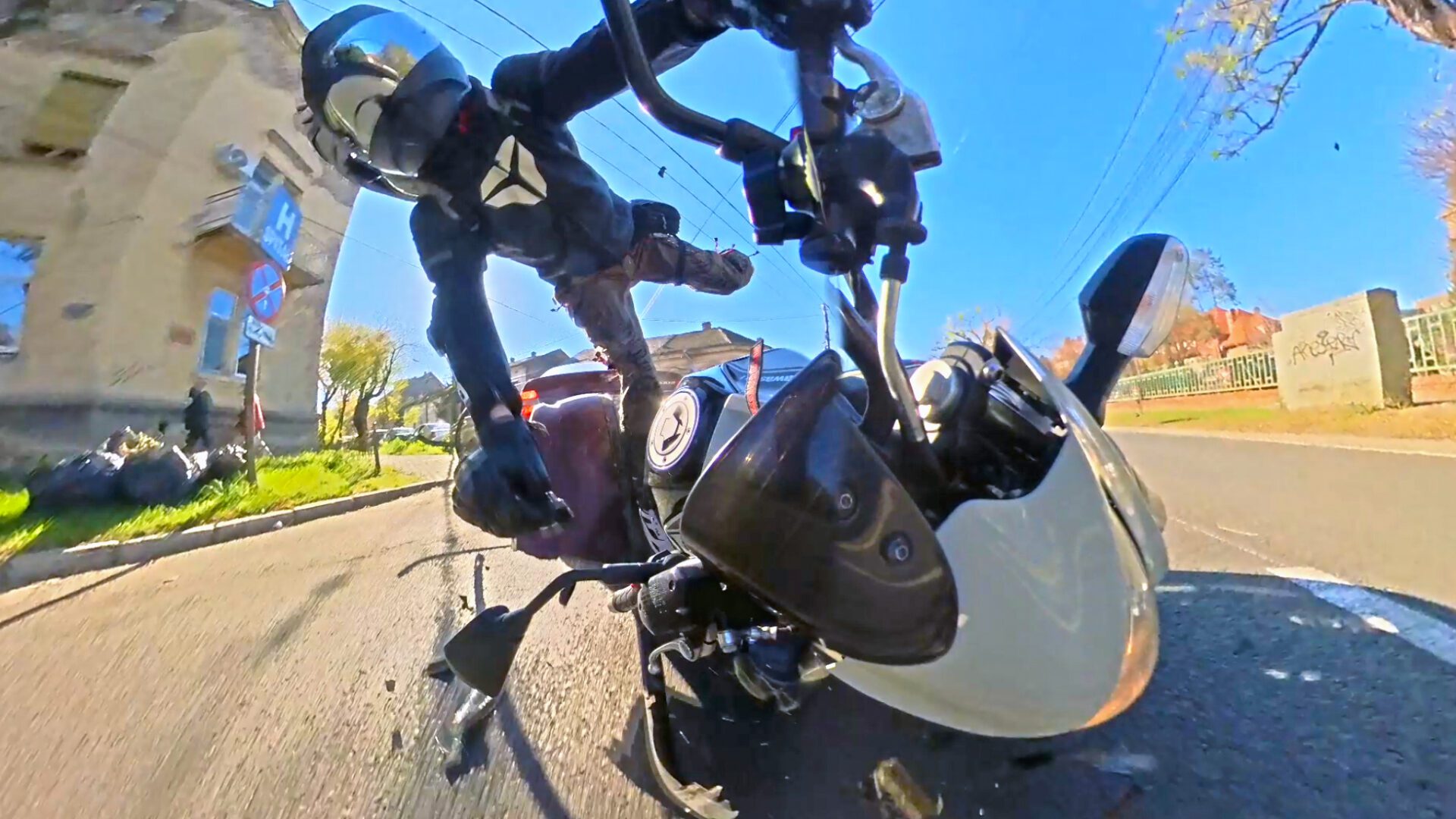
Speed is a critical factor in motorcycle crashes globally. Data from both the United States and Europe clearly show that higher or inappropriate speed not only increases the likelihood of a crash, but also dramatically raises the severity of injuries.

Key Statistics and Crash Causes (USA and Europe)
- United States (US) Data
- According to NHTSA, 36% of motorcyclists involved in fatal crashes were speeding (driving too fast for conditions, racing, or exceeding limits).
- A previous NHTSA report showed that 37% of fatally crashed motorcycle operators were speeding.
- NHTSA-supported research states that greater speeds are almost always linked with greater risk of serious injury.
- European Data
- According to the European Commission, more than 3,500 motorcyclists were killed on EU roads in 2019, representing about 16% of all road deaths.
- Motorcyclists in Europe are between 9 and 30 times more likely to die in a crash compared to car drivers.
- In-depth studies across France, Germany, Spain, Italy, and the Netherlands show that about 70% of riders attempted to avoid collisions by braking, but half lost control.
- FEMA data shows that inappropriate speed contributes to 26% to 34% of serious motorcycle crashes involving young riders.
- Speed and Injury Severity
- PubMed research shows a strong link between relative speed and injury severity.
- At 70 km/h, serious injury probability is roughly:
- 20% for impact with wide objects
- 51% for impact with crash barriers
- 64% for impact with narrow objects
- In head-on scenarios where both vehicles travel at 60 km/h (120 km/h combined), riders face about a 55% probability of serious injury.
Why Speed Increases Risk
- Higher speeds reduce reaction time.
- Stopping distances increase with speed.
- Impact forces grow exponentially as velocity rises.
- Motorcycles provide minimal physical protection compared to cars.
- At high speed, even minor rider errors or small road imperfections become critical.
How to Ride More Safely at Higher Speeds
- Use Defensive Riding Techniques
- Scan far ahead and anticipate road hazards.
- Expect sudden moves from other drivers.
- Reduce speed before corner entry and accelerate smoothly out of the turn.
- Match Speed to Conditions
- Riding fast is safest on predictable, open roads with good grip and visibility.
- Slow down on unfamiliar or narrow routes.
- Adjust speed for rain, debris, traffic, or fading light.
- Develop Advanced Skills
- Consider advanced braking, cornering, and high-speed control training.
- Practice emergency stops in safe, controlled environments.
- Train your vision habits: look where you intend to go, not where the danger is.
- Maintain Your Equipment
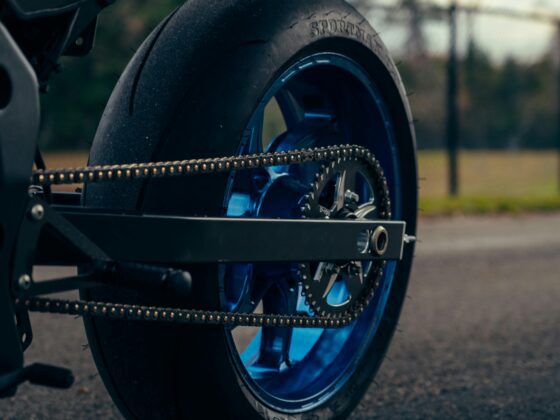
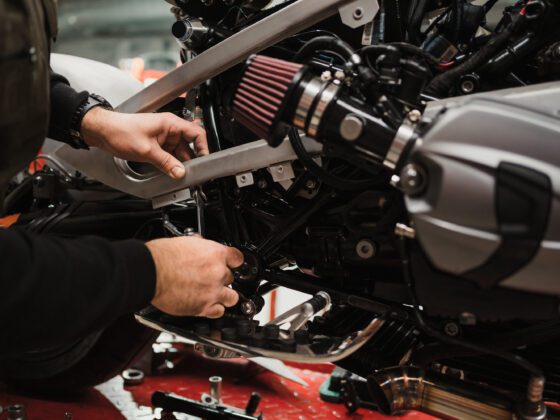
- Keep tires, suspension, and brakes in excellent condition.
- Wear proper protective gear to reduce injury severity.
- Use technology such as ABS, traction control, and stability systems.
- Adopt a Risk-Aware Mindset
- Recognize that speed amplifies risk even for experienced riders.
- Avoid adrenaline-driven decisions or peer pressure.
- Know your limits and stay within them.

Conclusion
By constantly reassessing road conditions, speed, and personal ability, riders can make faster riding safer and more controlled.
Speed is one of the strongest contributors to severe motorcycle injuries in both the US and Europe.
The danger comes not only from exceeding limits but also from riding too fast for current conditions.
With strong awareness, discipline, and defensive technique, riders can enjoy speed while reducing risk.