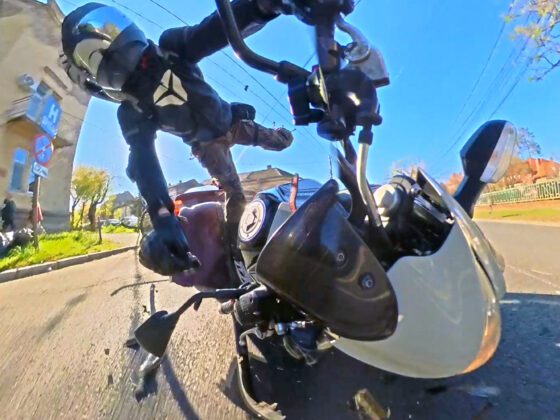
Motorcyclists often hear the phrase: “I just didn’t see him.” Unfortunately, this explanation is one of the leading causes behind collisions between cars and motorcycles. While it might sound like an excuse, there is a psychological and physical reality behind this phenomenon. Known as “inattentional blindness” or the motorcycle blindness effect, it helps explain why drivers fail to notice riders – even when they are in plain view.
But the full story is more complex. Drivers aren’t the only ones at fault. Riders themselves sometimes make choices that make them harder to notice, such as spending too much time in blind spots, wearing dark gear, or riding without anticipating others’ perception limits. Understanding both sides of the issue is the first step toward safer roads.
The Science of Not Seeing
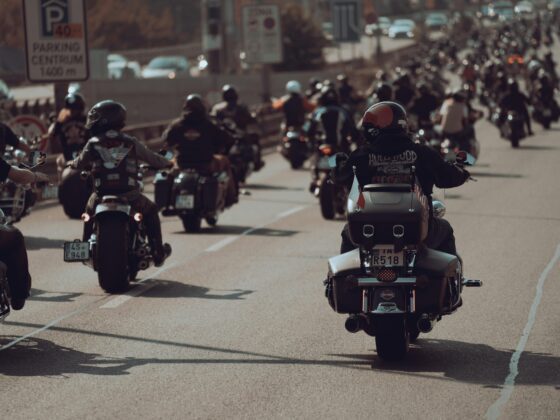
Human vision is not a perfect recording system. Our brains filter massive amounts of information and focus only on what they consider important. Since most drivers are looking for other cars, their brains often overlook smaller, narrower objects – like motorcycles.
This phenomenon is called “looked-but-failed-to-see” (LBFTS). A driver may check their mirrors or glance at an intersection but still fail to register the presence of a bike. Studies show that drivers genuinely believe they looked, but the rider never entered their brain’s “priority list.”
Physical Challenges
Beyond psychology, there are physical reasons motorcycles are harder to detect:
- Smaller visual profile – A bike occupies less space in mirrors and windshields.
- Speed perception – Drivers often underestimate how fast a motorcycle is approaching.
- Blind spots – Cars, especially SUVs and trucks, have wide blind zones where riders can disappear completely.
When Riders Make It Worse
While riders are the vulnerable party, we can’t ignore that some behaviors increase the risk of staying invisible:
- Lingering in blind spots – Extended time next to a car’s rear quarter panel is a recipe for being overlooked.
- Poor lane positioning – Riding too close to the edge of a lane or tucked behind traffic makes you blend into the background.
- Lack of signals – Failing to use indicators or headlight flashes removes important visual cues.
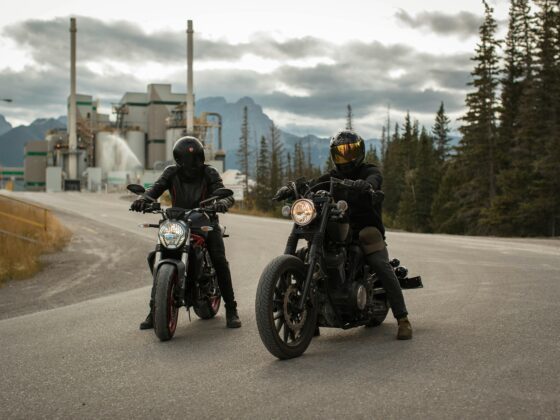
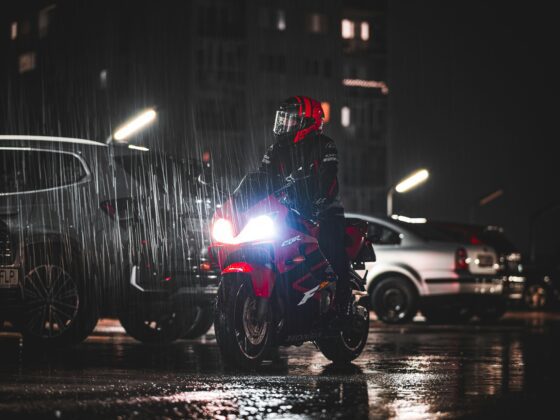
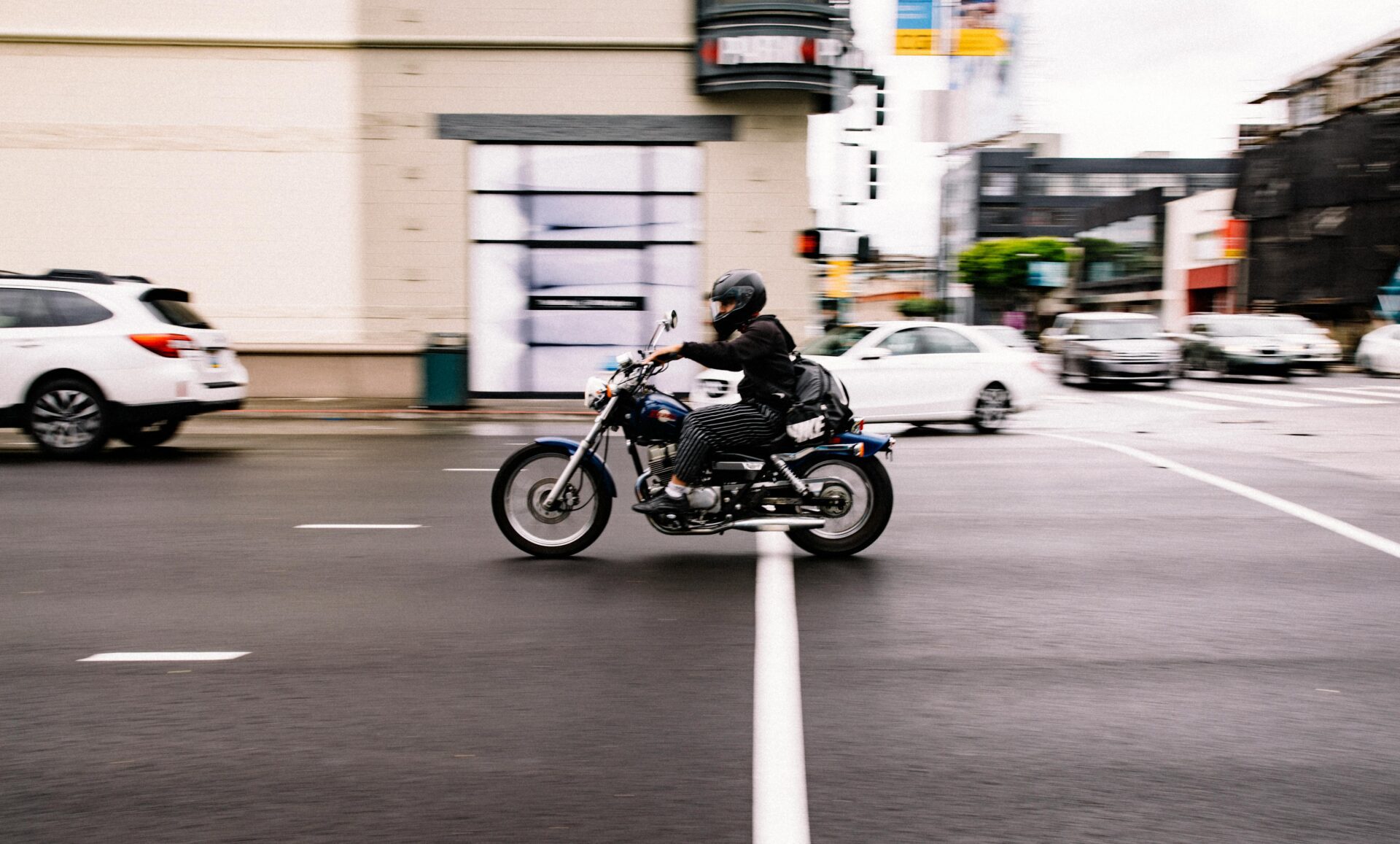
- Dark or non-reflective gear – Black helmets and jackets may look stylish, but they reduce visibility, especially at dusk or in rain.
What Drivers Can Do
- Double-check mirrors before changing lanes.
- Look for movement, not just cars.
- Pause an extra second at intersections.
What Riders Can Do
- Avoid blind spots – pass decisively or hang back.
- Use lane positioning to remain visible in mirrors.
- Signal clearly and make eye contact when possible.
- Wear high-visibility or reflective gear, at least at night.
- Ride as if you are invisible – because sometimes you are.
The Shared Responsibility
Motorcycle blindness isn’t just about inattentive drivers. It’s about how the human brain works, how vehicles are designed, and how riders behave in traffic. Blaming one side or the other doesn’t solve the problem.
Instead, awareness is the key. Drivers must learn to expect motorcycles, and riders must understand the limits of human perception and adapt accordingly. If both sides accept responsibility, we can reduce the heartbreaking number of collisions caused by the simple phrase: “I didn’t see him.”