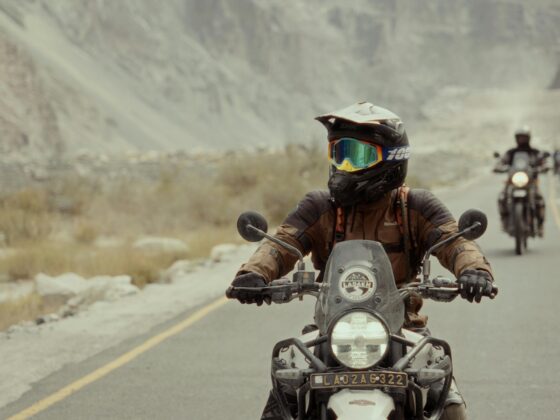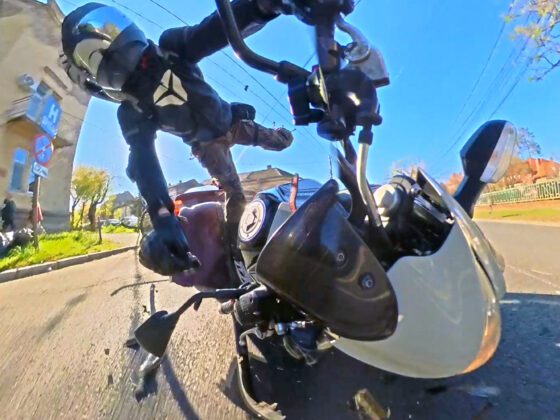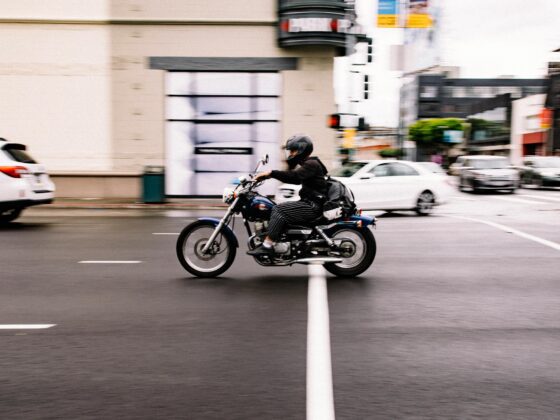
Motorcycling is more than a means of transport – it is a discipline that demands skill, precision, and heightened situational awareness. Unlike drivers of larger vehicles, motorcyclists are exposed and far less visible, which makes sharing the road a unique challenge. Every ride is an interaction with a variety of road users – from passenger cars and heavy trucks to cyclists and pedestrians – each with their own characteristics, limitations, and behaviors.
Mastering the art of safe road-sharing is not merely about following traffic laws; it is about anticipating the actions of others, positioning yourself strategically, and communicating with clarity. This guide provides a structured, professional approach to improving safety, reducing risk, and fostering mutual respect between motorcyclists and all other road users.
1. Enhancing Motorcycle Visibility
Why Visibility Matters
Motorcycles are inherently less visible to other road users due to their compact size and narrow profile. This invisibility increases the risk of collisions, especially at intersections, lane merges, and during low-light conditions.
Best Practices to Increase Visibility
- Use Headlights at All Times: Keeping your headlights on – even during daylight – makes you more noticeable. Many modern motorcycles have daytime running lights specifically for this purpose.
- Wear High-Visibility Gear: Bright colors, reflective materials, and fluorescent accents dramatically improve your presence on the road.
- Positioning in the Lane: Avoid riding in blind spots of other vehicles by selecting lane positions that maximize your exposure to drivers’ mirrors.
- Signal Intentions Clearly and Early: Use turn signals well in advance of your maneuvers. Combine electronic signals with hand signals when necessary to reinforce your intentions.
2. Respecting Other Road Users and Their Rights
Understanding the Shared Road
Roadways are communal spaces where cars, trucks, bicycles, pedestrians, and motorcycles coexist. Respecting the rights and expected behaviors of each group fosters a safer environment.
Key Points to Remember
- Maintain Safe Following Distances: This allows for ample reaction time and reduces collision risk.
- Avoid Aggressive Lane Splitting: While lane splitting may be legal in some regions, it should always be performed cautiously and responsibly, never weaving aggressively or at excessive speeds.
- Yield to Pedestrians: Pedestrian crossings must be treated with utmost caution. Always slow down and be prepared to stop, respecting pedestrian priority.
- Share Space Courteously: Be patient and avoid behaviors that pressure other drivers or cyclists, such as tailgating or forcing lane changes.
3. Understanding and Avoiding Blind Spots
The Danger Zones
Blind spots are areas around a vehicle that the driver cannot directly see in their mirrors. Motorcycles frequently fall into these zones, increasing the risk of side collisions.
How to Stay Visible
- Avoid Riding Beside Large Vehicles: Trucks, buses, and SUVs have larger blind spots—never linger beside them.
- Use Strategic Lane Positioning: Position yourself toward the left or right third of the lane, where you are more likely to be seen.
- Move When Necessary: If you detect a vehicle preparing to change lanes toward you, slow down or speed up to remove yourself from the blind spot.
4. Clear Communication Is Critical
Why Communication Matters
Because motorcycles are smaller and quieter than cars, clear communication helps ensure that other road users understand your intentions and presence.
Effective Communication Strategies
- Use Signals and Horn: Activate your turn signals early and confirm their visibility. Use the horn sparingly but effectively to alert distracted or inattentive drivers.
- Establish Eye Contact: At intersections or when merging, eye contact with drivers confirms mutual awareness.
- Use Hand Signals as Backup: In case your indicators aren’t visible or malfunctioning, use universally recognized hand signals.
5. Practicing Defensive Riding
What Is Defensive Riding?
Defensive riding means anticipating potential hazards and acting proactively to avoid them, rather than reacting after a dangerous situation arises.
Defensive Riding Tips
- Assume You’re Invisible: Always ride with the mindset that other drivers might not see you.
- Scan the Environment Constantly: Look ahead for brake lights, lane changes, or erratic behavior.
- Prepare Escape Routes: Identify safe spaces you can maneuver into if a vehicle suddenly cuts you off or if road conditions change.
- Avoid Riding Alongside Traffic for Too Long: Especially avoid staying alongside trucks and buses for extended periods.
6. Group Riding Etiquette and Safety
Riding in Groups Safely
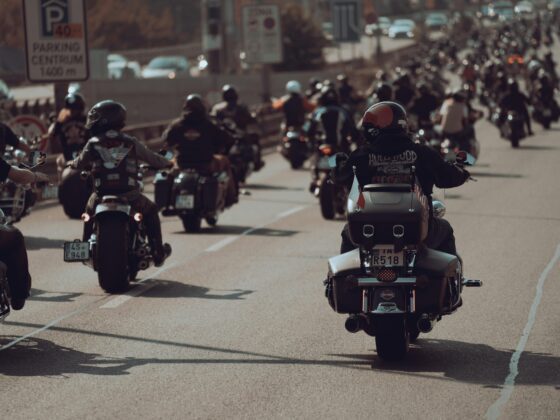
Group rides require discipline, coordination, and communication to ensure safety.
Guidelines for Group Riding
- Maintain Proper Spacing: Allow enough distance between riders to react to sudden stops.
- Use Pre-Arranged Signals: Agree on hand signals and communication methods before the ride.
- Ride Predictably: Avoid abrupt maneuvers and maintain consistent speeds.
- Keep Formation: Whether staggered or single file, stay in formation to optimize visibility and safety.
7. Compliance with Traffic Laws and Road Regulations
Importance of Following the Rules
Adhering to speed limits, traffic signals, and road signs isn’t just a legal obligation – it’s fundamental to your safety and that of others.
Key Legal and Safety Considerations
- Speed Management: Ride at speeds appropriate for conditions and within legal limits.
- Respect Stop Signs and Traffic Lights: Always come to a complete stop and check your surroundings.
- Observe Lane Usage Rules: Follow local regulations on lane splitting, lane changing, and passing.
- Avoid Impaired Riding: Never ride under the influence of alcohol, drugs, or when excessively fatigued.
Conclusion: Building a Culture of Mutual Respect and Safety
Sharing the road safely requires commitment, vigilance, and respect. Motorcyclists must actively work to be visible, communicate clearly, and anticipate the actions of others. Equally, all road users benefit when motorcyclists ride responsibly and lawfully. By fostering a culture of mutual respect and awareness, we can significantly reduce accidents and create safer roads for everyone.
Safe riding is not only about individual skill but also about how we interact with the broader traffic environment. Ride smart, stay visible, respect others, and make safety your top priority every time you hit the road.