Introduction
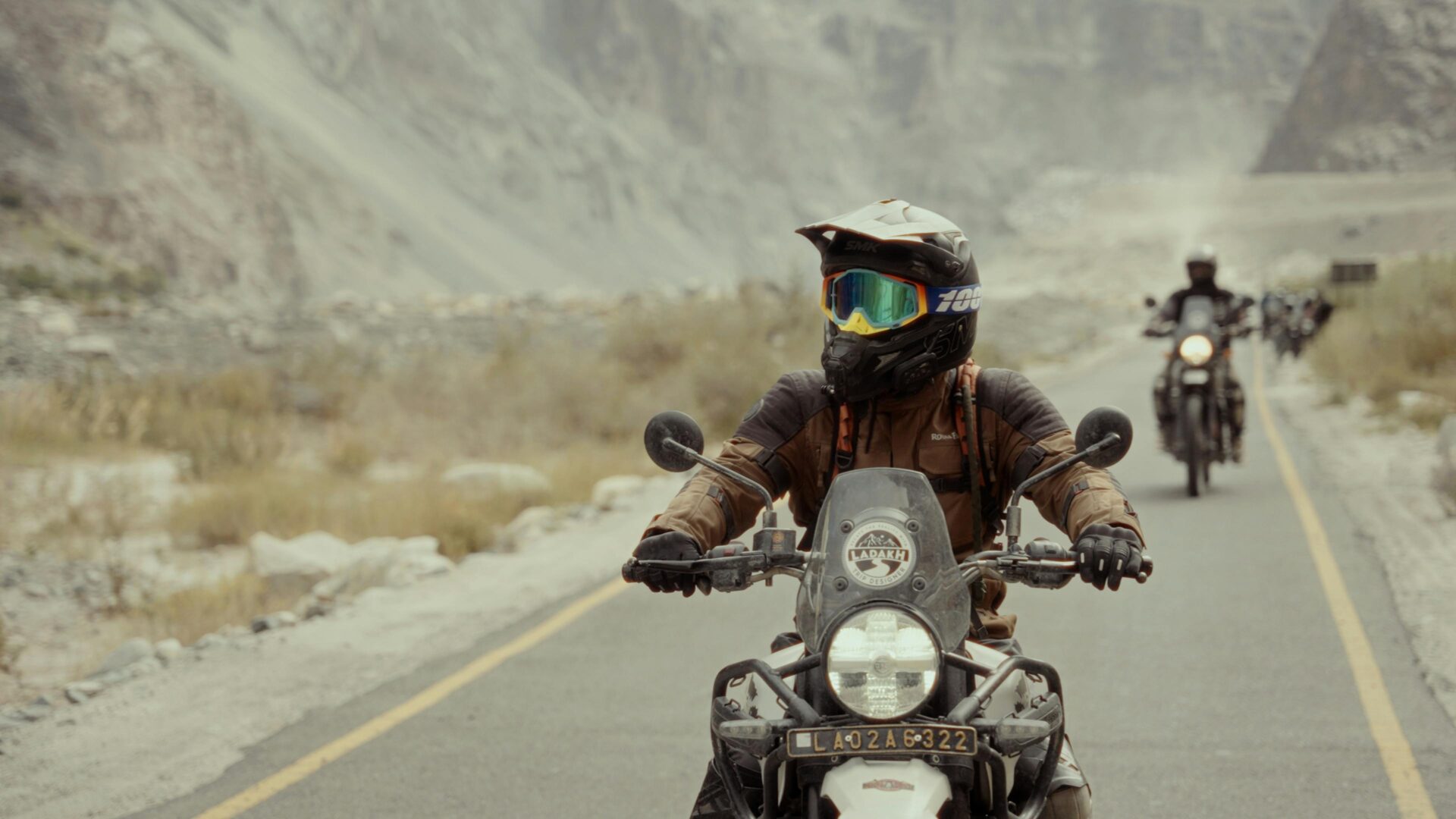
Motorcycle touring transcends the mere act of travel; it is a dynamic dialogue between rider, machine, and environment. Unlike other forms of exploration, touring on two wheels demands a delicate balance of preparation, adaptability, and mindfulness. This article delves deep into the craft of motorcycle touring – revealing insights gathered from seasoned riders and highlighting practical strategies that transform a trip from a simple ride into a transformative experience.
1. The Motorcycle: Your Trusty Companion and Lifeline
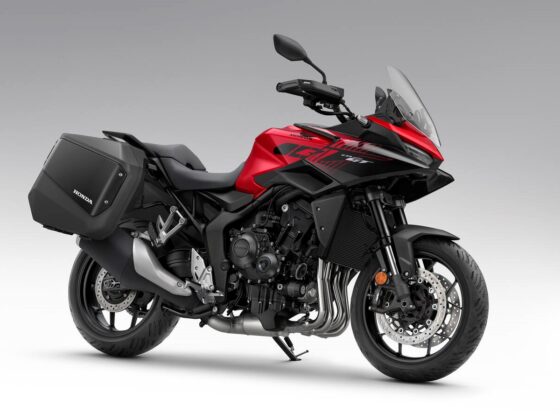
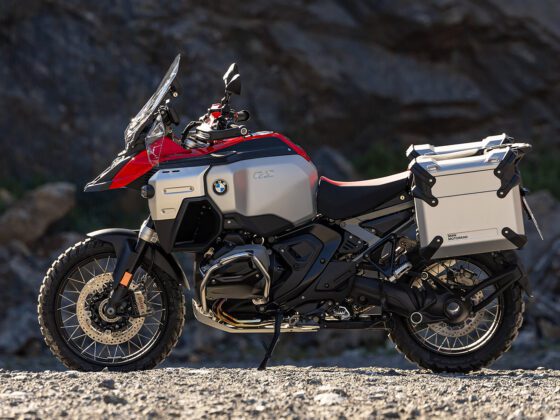
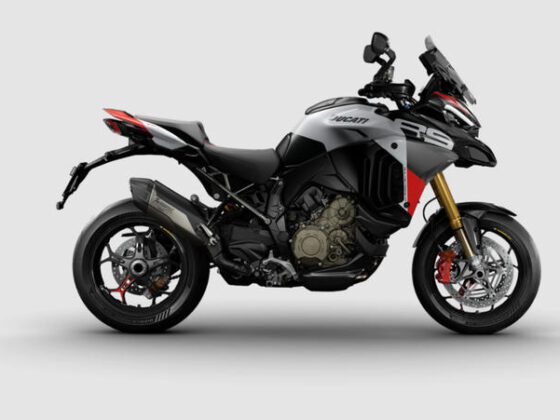
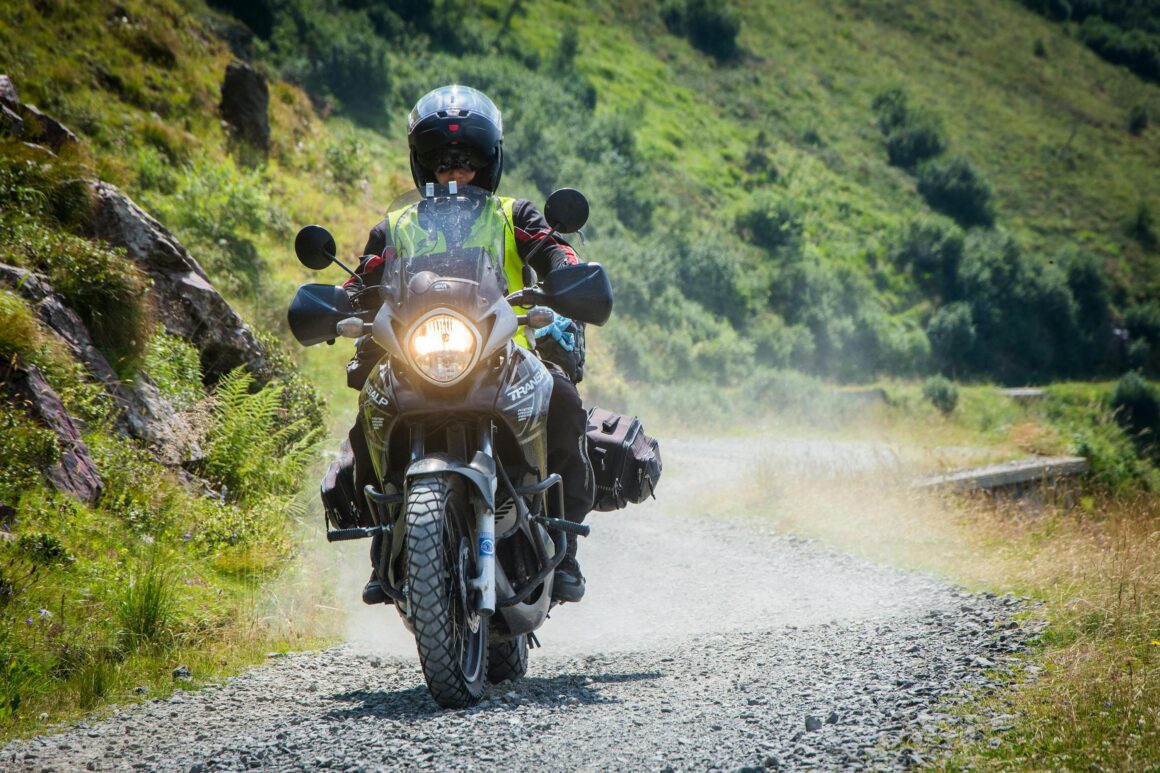
Choosing the right motorcycle is akin to selecting a travel partner. It must resonate with your style, endurance, and the terrains you intend to conquer. Consider this: a touring bike that feels like an extension of your own body will reduce fatigue and enhance focus.
- Ergonomics tailored to you: Small adjustments – changing handlebar height or seat foam density – can drastically improve comfort over thousands of miles.
- Balance of power and efficiency: While a powerful engine is tempting, fuel efficiency and manageable torque curves often lead to a more enjoyable and sustainable journey.
- Luggage innovations: Modern modular luggage systems offer waterproofing, security, and quick detach options. Invest in systems tested by long-haul riders.
Insight: Veteran tourers often stress the value of ‘knowing your machine’ intimately – how it handles loaded with gear, its quirks, and its maintenance rhythm. This relationship elevates touring from a task to an art.
2. Route Planning: Crafting Your Road Narrative
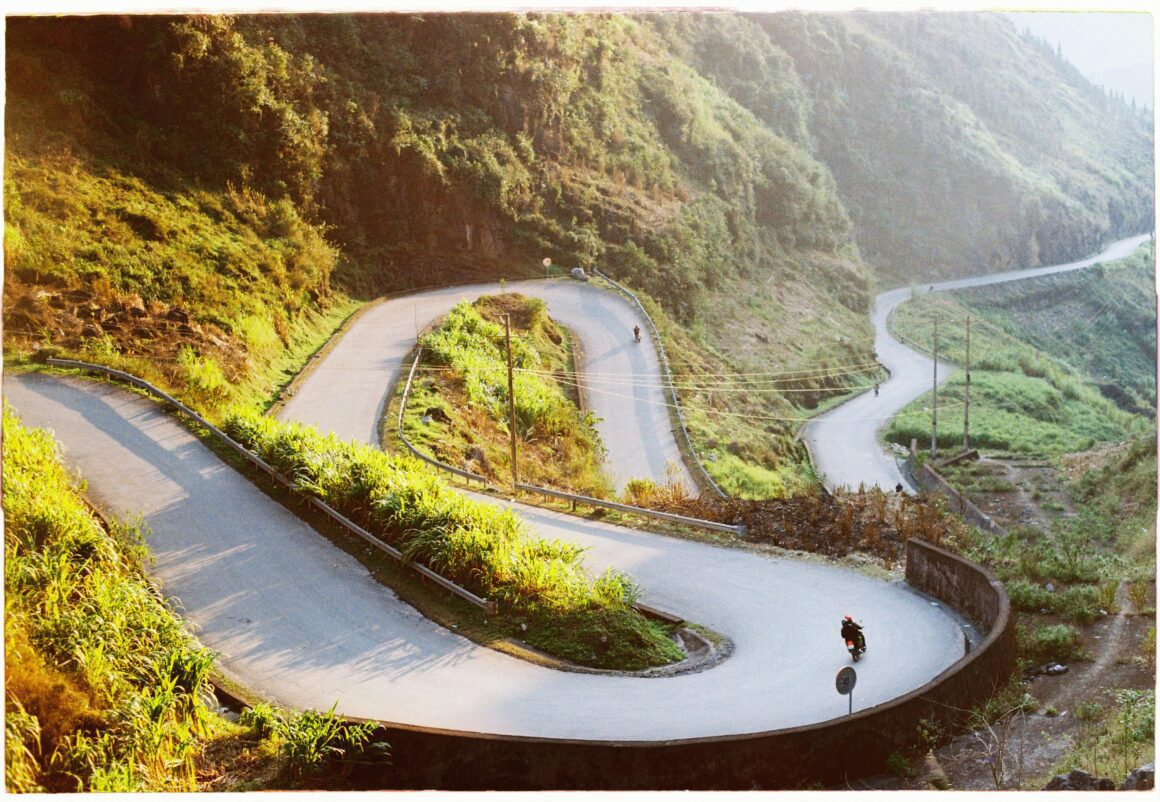
Routes aren’t just lines on a map; they are the chapters of your touring story. While technology aids navigation, it’s your instinct and curiosity that bring the journey to life.
- Blend structure with spontaneity: Predefine key stops for rest and fuel, but leave blank spaces in your itinerary for serendipitous discoveries – an unexpected mountain pass, a local festival, or a quiet roadside café.
- Consider elevation and climate: Routes crossing high altitudes or coastal zones require specific gear and preparation; anticipate rapid weather changes and adjust your plan accordingly.
- Connectivity: Use apps that allow offline maps, as mobile reception can be patchy. Also, consider satellite communication devices for emergency backup.
Story snippet: One rider shared how a wrong turn led him to a small village where he witnessed a traditional music festival – an experience never on his original itinerary but now a cherished memory.
3. Packing: The Fine Art of Traveling Light and Prepared
The constraints of a motorcycle demand an almost surgical approach to packing. Every item must justify its space and weight.
- Versatile clothing: Merino wool base layers are prized for regulating temperature and resisting odors, perfect for multi-day trips.
- Maintenance essentials: More than tools, carry consumables like brake fluid, spare clutch cables (if applicable), and chain cleaner. Consider pre-packed repair kits tailored for your bike model.
- Tech gear: Action cameras, power banks, and GPS units can enhance safety and documentation but require power management strategies. Solar chargers or bike-mounted USB ports are smart additions.
4. Gear Up: Safety Meets Comfort
Touring gear represents a fusion of safety engineering and comfort technology.
- Helmet tech: Look for helmets with advanced aerodynamics and noise-reduction features. Some models now integrate communication systems that connect riders to fellow travelers or navigation aids.
- Adaptive riding suits: Textile suits with adjustable ventilation panels allow riders to regulate temperature on the fly, crucial for variable climates.
- Boot and glove tech: Waterproof membranes like Gore-Tex combined with impact protection maximize safety and comfort.
Pro tip: Invest in gear that offers modularity – removable liners, adjustable armor—so you can adapt quickly to weather or terrain changes without needing multiple sets.
5. Maintenance Mastery: Staying Ahead of Mechanical Challenges
A well-maintained motorcycle is your assurance against breakdowns in unfamiliar territory.
- Routine checks: Establish a daily pre-ride checklist including tire pressure, chain tension, brake responsiveness, and fluid levels.
- Learning repairs: Developing competence in common fixes – flat tire repair, electrical troubleshooting – empowers riders and reduces reliance on external help.
- Documentation: Keep a maintenance log, noting services, parts replaced, and observed issues. This habit aids diagnostics and keeps your bike in peak condition.
6. Physical and Mental Conditioning: Preparing the Rider
Your body and mind are your most critical assets. Touring demands stamina, focus, and resilience.
- Physical training: Cardiovascular fitness and core strength reduce fatigue and enhance control. Flexibility exercises prevent stiffness from prolonged riding posture.
- Mindfulness and rest: Mental endurance is as important as physical. Techniques such as controlled breathing and scheduled mental breaks help maintain alertness and reduce stress.
- Nutrition and hydration: Balanced diets, electrolyte replenishment, and frequent water intake prevent performance dips and support recovery.
7. Weather Wisdom: Anticipating Nature’s Variables
Nature is an unpredictable partner in touring; preparation is paramount.
- Gear readiness: Carry compact, high-performance rain gear and layered clothing to adapt quickly. Consider electrically heated clothing for cold climates.
- Real-time monitoring: Use weather apps with hyperlocal updates and alerts. Be prepared to modify routes or delay departures to avoid hazardous conditions.
- Environmental respect: Understand local climates and environmental challenges – sandstorms in deserts, heavy fog in mountains – and prepare accordingly.
8. Immersive Touring: Making the Journey Your Own
True motorcycle touring transcends logistics and enters the realm of personal enrichment.
- Cultural engagement: Approach each stop as an opportunity to connect with local people and customs. Language basics, respectful behavior, and open-mindedness enhance experiences.
- Documentation: Maintain detailed journals, blogs, or vlogs. They not only preserve memories but can serve as valuable resources for other riders.
- Sustainability: Practice responsible tourism by minimizing waste, supporting local economies, and respecting nature. Your footprint matters on and off the road.
Conclusion
Motorcycle touring is an intricate synthesis of preparation, technical skill, physical endurance, and open-hearted exploration. By embracing the machine as a partner, the route as a story, and the journey as a transformative process, riders can elevate their travel beyond mere movement. The road teaches resilience, patience, and discovery – qualities that enrich every aspect of life.
Engage with Us
We invite you to share your personal touring insights, lessons learned, and innovative tips. Your voice enriches our collective knowledge and inspires riders worldwide. Join the conversation by contributing comments, questions, or stories below. Together, let’s craft a vibrant community dedicated to mastering the art of motorcycle touring.