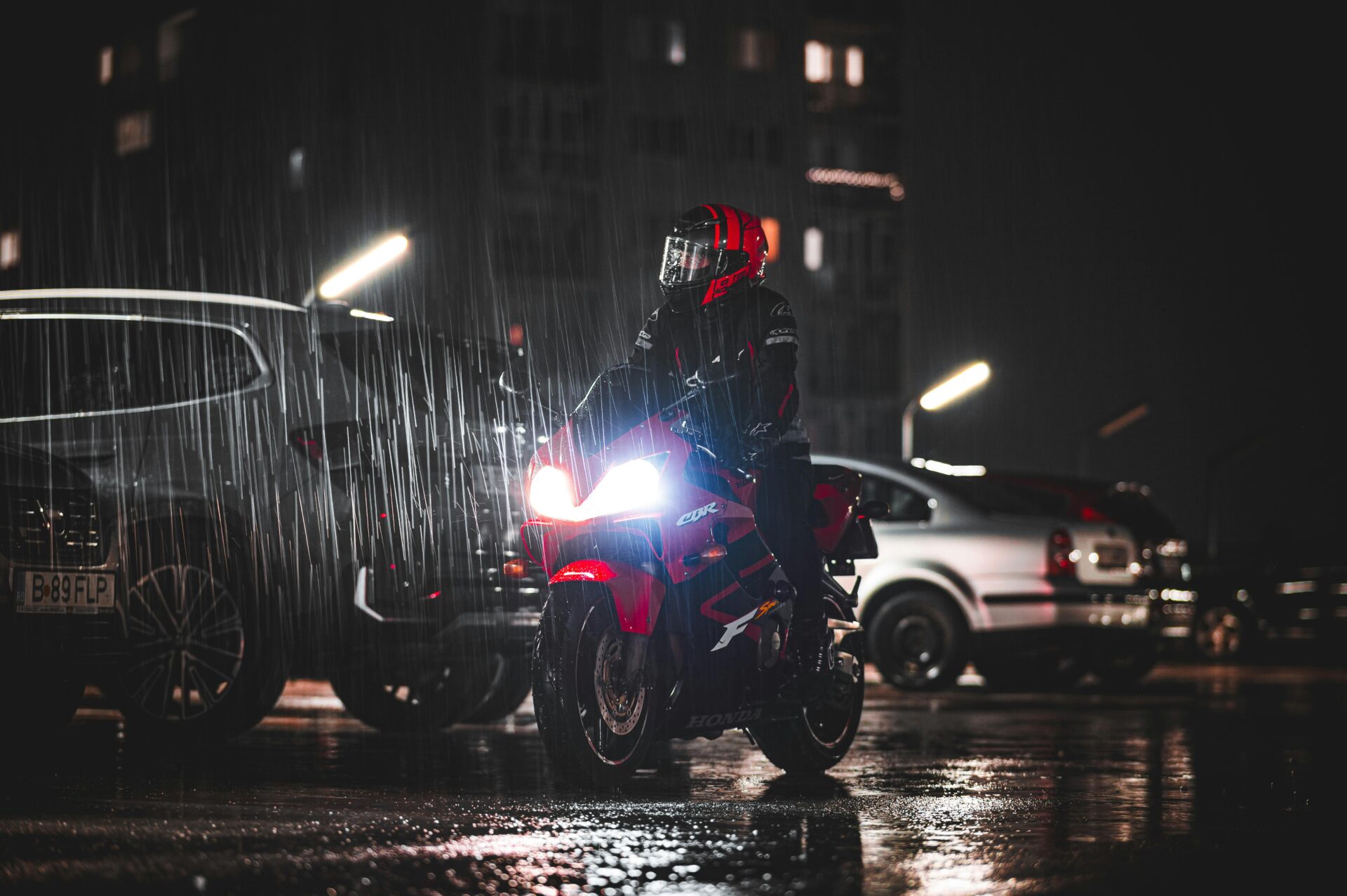
Motorcycling is thrilling, but it demands more than just skill – it requires a mindset focused on safety and awareness. Defensive riding is about being proactive, anticipating hazards, and making choices that reduce risk. By adopting these techniques, you can increase your chances of staying safe on the road and enjoy your ride with confidence.
1. Situational Awareness
Situational awareness is the foundation of defensive riding. It means being alert and fully engaged with everything happening around you – not just the vehicle in front, but traffic, road conditions, pedestrians, and even weather changes. When you are aware of your environment, you can spot potential hazards early and adjust your riding to avoid them. This constant observation builds a mental map of your surroundings and helps you prepare for whatever might come next. Developing this skill takes practice, but it’s one of the most valuable tools in a rider’s arsenal, enabling quick decisions and smooth responses.
- Constantly scan your environment. Don’t fixate on the car ahead – keep your eyes moving to take in the full picture: side streets, pedestrians, mirrors, and what’s far down the road.
- Check your mirrors every few seconds. Know what’s behind you and how fast it’s approaching.
- Do shoulder checks before changing lanes – don’t rely solely on mirrors. Cars, and especially motorcycles, can hide in blind spots.
2. Predicting Driver Behavior
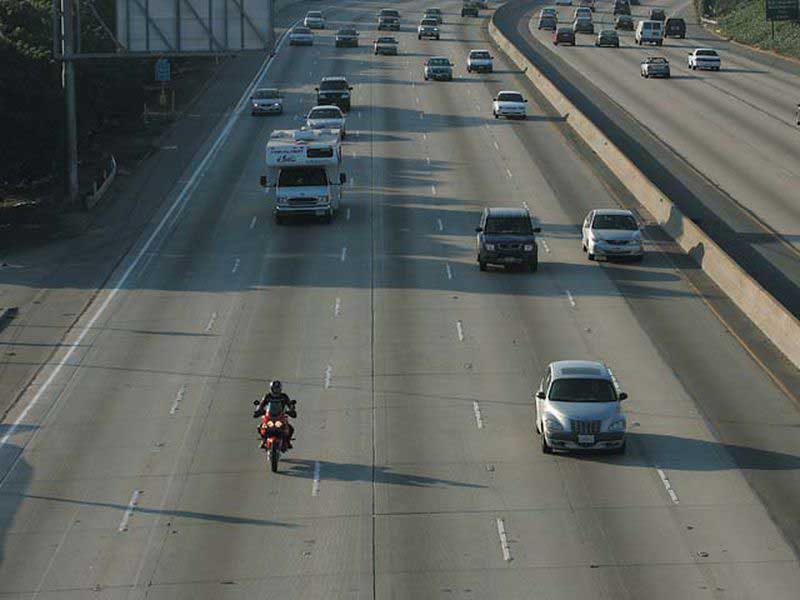
Other drivers don’t always notice motorcycles, or they might misjudge your speed and distance. Defensive riders assume that drivers may not see them and stay prepared for unexpected actions. Understanding common signs that indicate a driver’s intention helps you anticipate potential problems and react in time. This proactive mindset reduces the risk of collisions by treating every driver’s behavior as unpredictable until proven otherwise.
- Assume other drivers don’t see you. Never rely on being visible – always be ready for sudden lane changes or stops.
- Watch for signals like turn indicators, brake lights, or drivers glancing around. These cues hint at what they might do next.
- Be extra cautious at intersections where many collisions happen. Slow down and cover your brakes even if you have the right of way.
3. Maintaining Safe Following Distance
Tailgating reduces your reaction time and increases risk. Keeping a safe distance behind other vehicles gives you more time to respond to sudden stops or obstacles on the road. This space is your safety cushion – the more space you leave, the better you can react without panic.
- Use the 2-second rule in good conditions: pick a fixed object, and keep at least two seconds between you and the vehicle ahead.
- Increase your following distance in bad weather or heavy traffic. Wet or slippery roads require more space to stop safely.
- Avoid riding directly behind large vehicles that block your view and have big blind spots.
4. Proper Lane Positioning
Where you ride within your lane affects your visibility, safety, and ability to react quickly. Smart lane positioning improves your chance of being seen and gives you room to maneuver around hazards. It’s a constantly shifting tactic based on road, traffic, and environmental conditions.
- Ride in the left or right third of the lane rather than the center to avoid slippery spots and debris.
- Adjust your position to be more visible, especially near intersections or when preparing to turn.
- Avoid riding in drivers’ blind spots by keeping a clear space where they can see you in their mirrors.
5. Controlling Your Speed
Speed control is essential to give you enough time to react and stay in control. Riding too fast for conditions limits your ability to avoid hazards safely. Speed should always be adjusted to the environment – no matter what the speed limit says.
- Match your speed to the road, weather, and traffic conditions, even if it means going slower than other vehicles.
- Slow down before curves or tricky sections to maintain stability and control.
- Use smooth throttle and brake inputs to keep your motorcycle balanced and predictable.
6. Planning Escape Routes
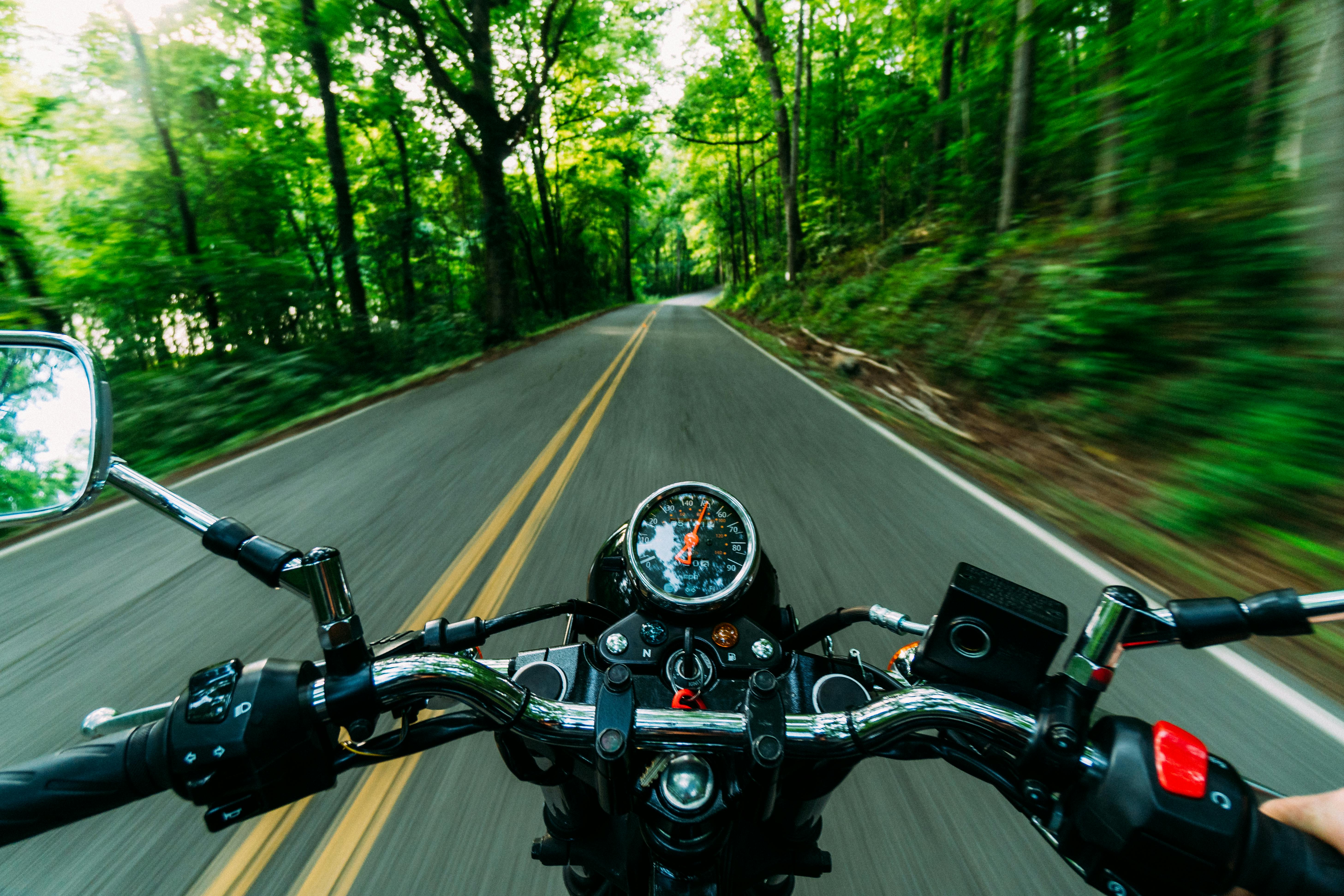
Always have a backup plan. Knowing where you could move if something unexpected happens can save your life. This mental map of escape routes helps reduce panic and enables clear decisions when seconds count.
- Leave enough space around your bike to maneuver if needed.
- Identify safe spots ahead like shoulders or open lanes where you can steer if necessary.
- Stay calm and avoid panic – having a plan helps you make clear decisions under pressure.
7. Using Proper Gear
Wearing the right gear is a critical part of defensive riding. Protective equipment doesn’t just protect you in a crash – it can prevent crashes by improving your visibility and comfort. Proper gear helps you stay alert and confident, which are key for safe riding.
- Always wear a DOT-approved helmet to protect your head.
- Use bright or reflective clothing and gear to increase your visibility to other drivers, especially in low light.
- Wear gloves, jackets, pants, and boots designed specifically for riding. They protect your skin and joints and provide better grip and control.
8. Managing Distractions
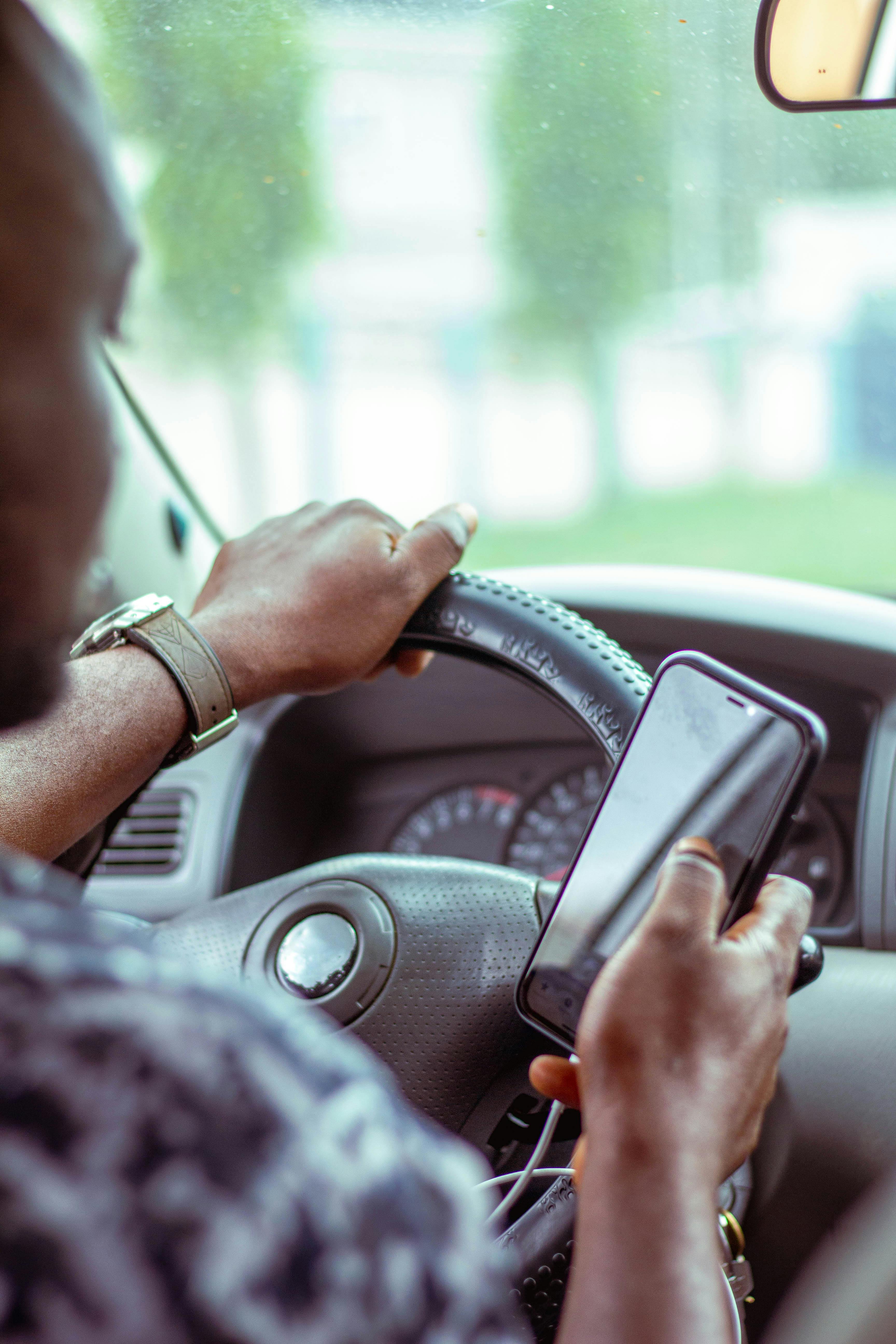
A distracted rider is a vulnerable rider. Phones, music, or even stress can take your attention away from the road. Defensive riders learn to eliminate or control distractions, keeping their mind focused entirely on the ride.
- Avoid using phones or other devices while riding – even hands-free systems can divert your attention.
- Keep your focus on riding, not on conversations, music, or worries. Clear your mind before you hit the road.
- If you feel tired, stressed, or unfocused, take breaks or reconsider riding until you’re fully alert.
9. Adjusting to Weather Conditions
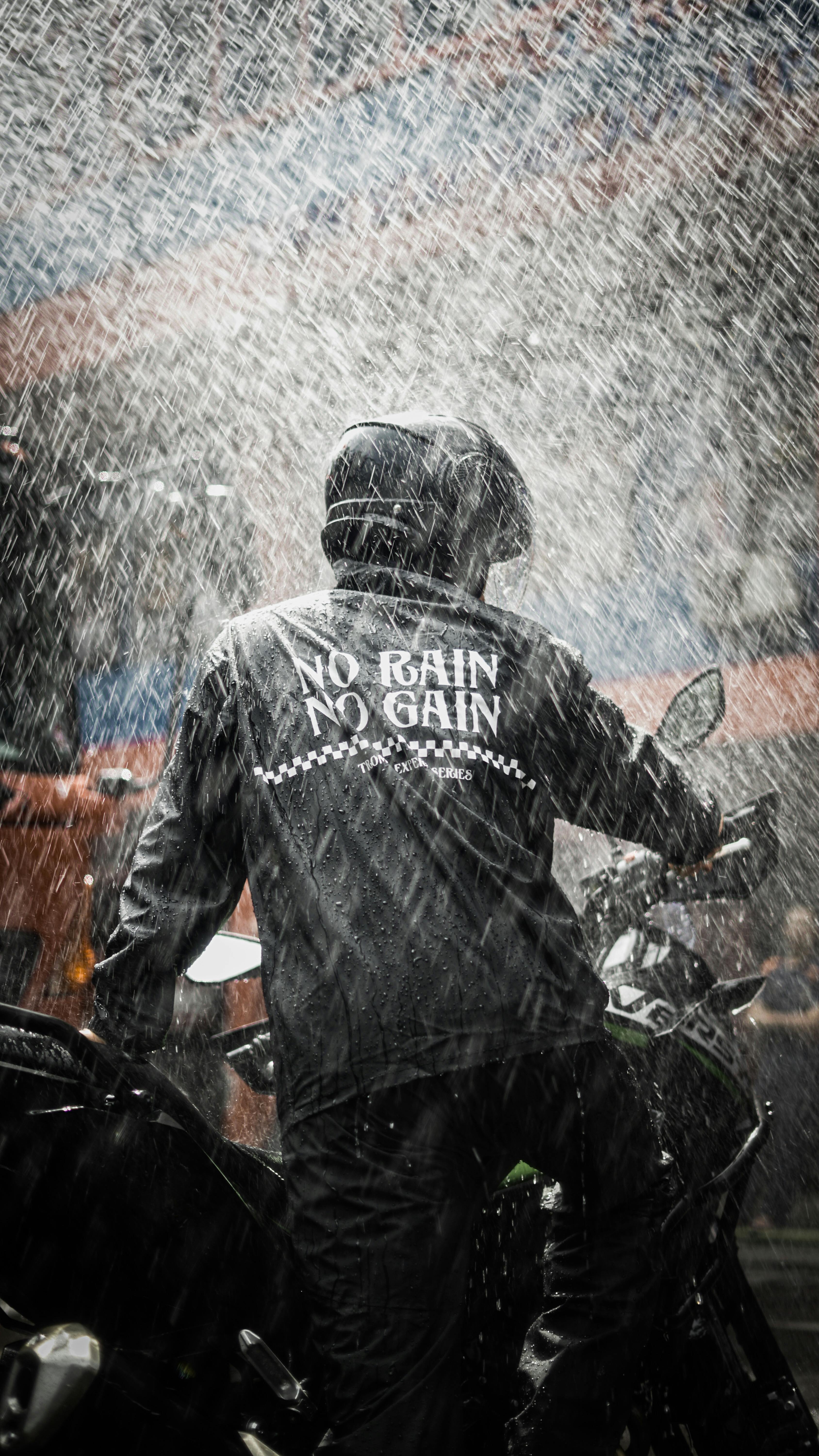
Weather has a huge impact on riding safety. Rain, wind, fog, or extreme heat all change how your bike handles and how other drivers behave. Defensive riders adjust their techniques and speed to match the weather and road conditions.
- Slow down in rain or wet conditions to prevent slipping on slick surfaces.
- Increase your following distance – stopping distances grow in poor weather.
- Be extra cautious in fog or low visibility – use your lights and stay visible.
10. Night Riding Safety
Riding at night poses additional challenges due to reduced visibility and increased fatigue. Defensive riders take special precautions to stay visible and alert after dark.
- Use high-beam headlights when appropriate to improve your own visibility.
- Wear reflective gear or add reflective tape to your bike and clothing.
- Reduce speed to compensate for limited sight distance and slower reaction times.
11. Communication with Other Road Users
Clear communication helps prevent misunderstandings and accidents. Defensive riders use signals, eye contact, and body language to communicate their intentions clearly to other drivers, cyclists, and pedestrians.
- Use your turn signals well before making a maneuver.
- Make eye contact with drivers and pedestrians when possible to confirm they see you.
- Use your horn politely to warn others of your presence in tricky situations.
12. Staying Physically and Mentally Fit
Riding demands good physical condition and mental sharpness. Fatigue, illness, or poor health can slow your reactions and impair your judgment. Defensive riders take care of their bodies and minds to stay ready for the road.
Practice regular exercise to improve endurance, balance, and strength.
Get enough rest before riding, especially on long trips.
Stay hydrated and nourished to maintain energy and concentration.