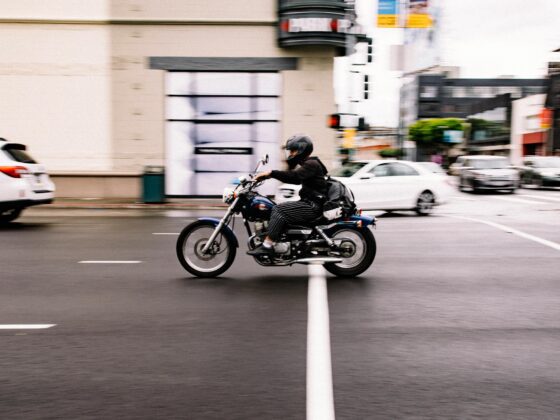
Every rider has heard it – “He cut me off!” But what if the driver never saw you in the first place? One of the most common yet misunderstood risks on the road is being in a driver’s blind spot. A lot of near misses, or even crashes, could’ve been avoided if the rider stayed out of that danger zone.
Let’s break down what blind spots really are — and how to avoid being a ghost on the road.
What Is a Blind Spot?
A blind spot is any area around a vehicle where the driver can’t see you through mirrors or peripheral vision. Every vehicle has them — some more than others. The most dangerous blind spots are:
- Along the left and right rear quarters of a car
- Directly behind a vehicle, especially if you’re tailgating
- Alongside large trucks and buses
- Near merging lanes or during lane changes
Why Riders Get Caught in Blind Spots
Motorcycles are small, fast, and easy to overlook. You might think your high-vis jacket or loud pipe makes you noticeable — but many drivers aren’t even looking for motorcycles. Worse, some riders:
- Linger next to cars instead of passing
- Sit directly behind vehicles instead of offsetting
- Ride too close to the rear bumper
- Assume they’ve been seen just because it’s daytime
How to Stay Out of Blind Spots (with Real Tactics)
Let’s get practical. These habits can seriously reduce your chances of being rear-ended or sideswiped by someone who “didn’t see you.”
Ride in the Driver’s Mirror Line
Position yourself so you’re visible in both side mirrors and rearview mirrors.
Rule of thumb: If you can see the driver’s face in the mirror, they can probably see you.
Pass Swiftly, Don’t Linger
When overtaking, don’t ride shoulder-to-shoulder with a vehicle. That’s the worst place to hang out.
Tip: Commit to the pass — or hang back far enough to be seen.
Use a Staggered Lane Position
Don’t ride dead center behind a car. Choose the left or right tire track in your lane so you’re visible and have room to react.
Watch the Driver’s Body Language
A quick head check, a twitch of the steering wheel, or a flick of the blinker — these can warn you that a lane change is coming.
Make Yourself Noticeable
High-vis gear, daytime running lights, helmet LEDs, or even a headlight modulator can increase visibility.
Avoid Riding Beside Large Vehicles
Trucks and buses have massive blind spots, especially on the right side. If you can’t see the driver’s face in their mirror — they can’t see you.
Use the Horn If Needed
If someone starts drifting into your lane and you’re in their blind spot, a short, sharp beep can save your skin.
Don’t be shy — it’s better than being hit.
Don’t Assume They See You
Just because you made eye contact doesn’t mean they processed you. Ride like you’re invisible, but position yourself like you demand attention.
Change Your Mindset
Yes, drivers should check their mirrors — but riders can’t depend on that. Many “he cut me off” situations happen because the rider sat in a blind spot too long. Instead of blaming drivers, think:
“Could I have prevented that by adjusting my position?”
This mindset shift can save your life.