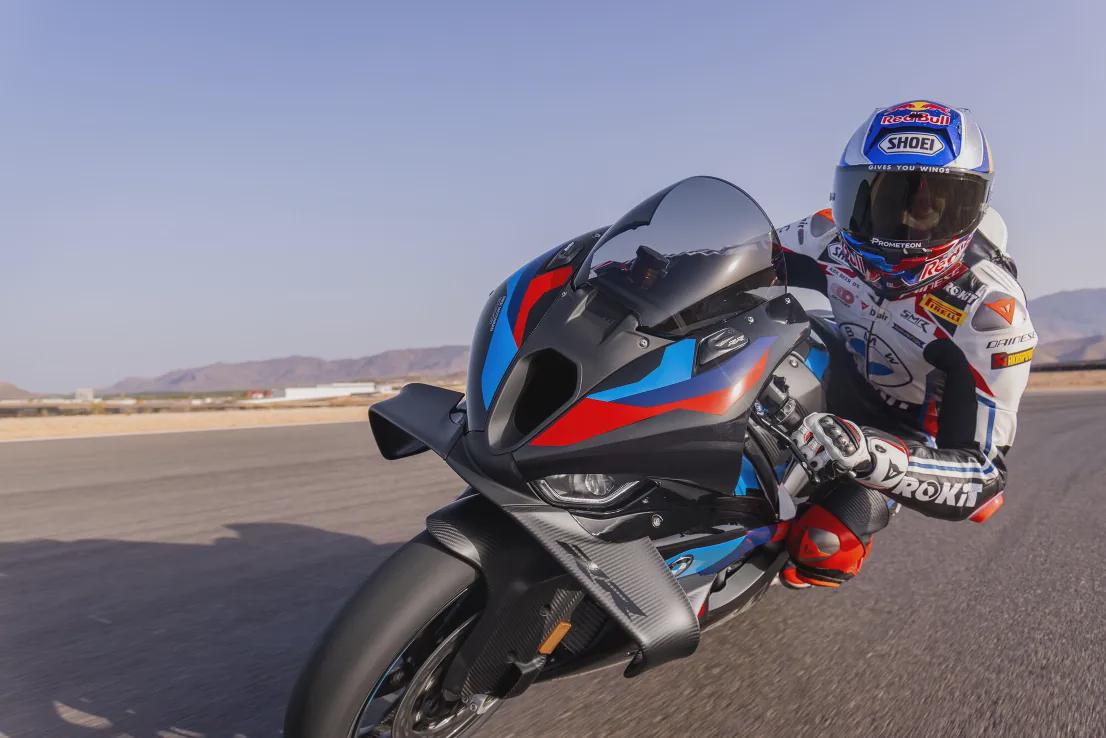
Just a few years ago, aerodynamic winglets were something you would only see on MotoGP prototypes. Today, they’re becoming a common sight on road-legal motorcycles – from high-performance superbikes to naked bikes and even some adventure models. No surprise many riders are asking themselves the same question: are these winglets actually useful, or are they just an aggressive design trend?
The answer is more complex than it seems, because motorcycle aerodynamics is evolving faster than ever – and recent engineering research, including studies published on arXiv, confirms that winglets are not just visual “toys.” But their effectiveness depends heavily on how, where, and why they are used.
What Winglets Really Do
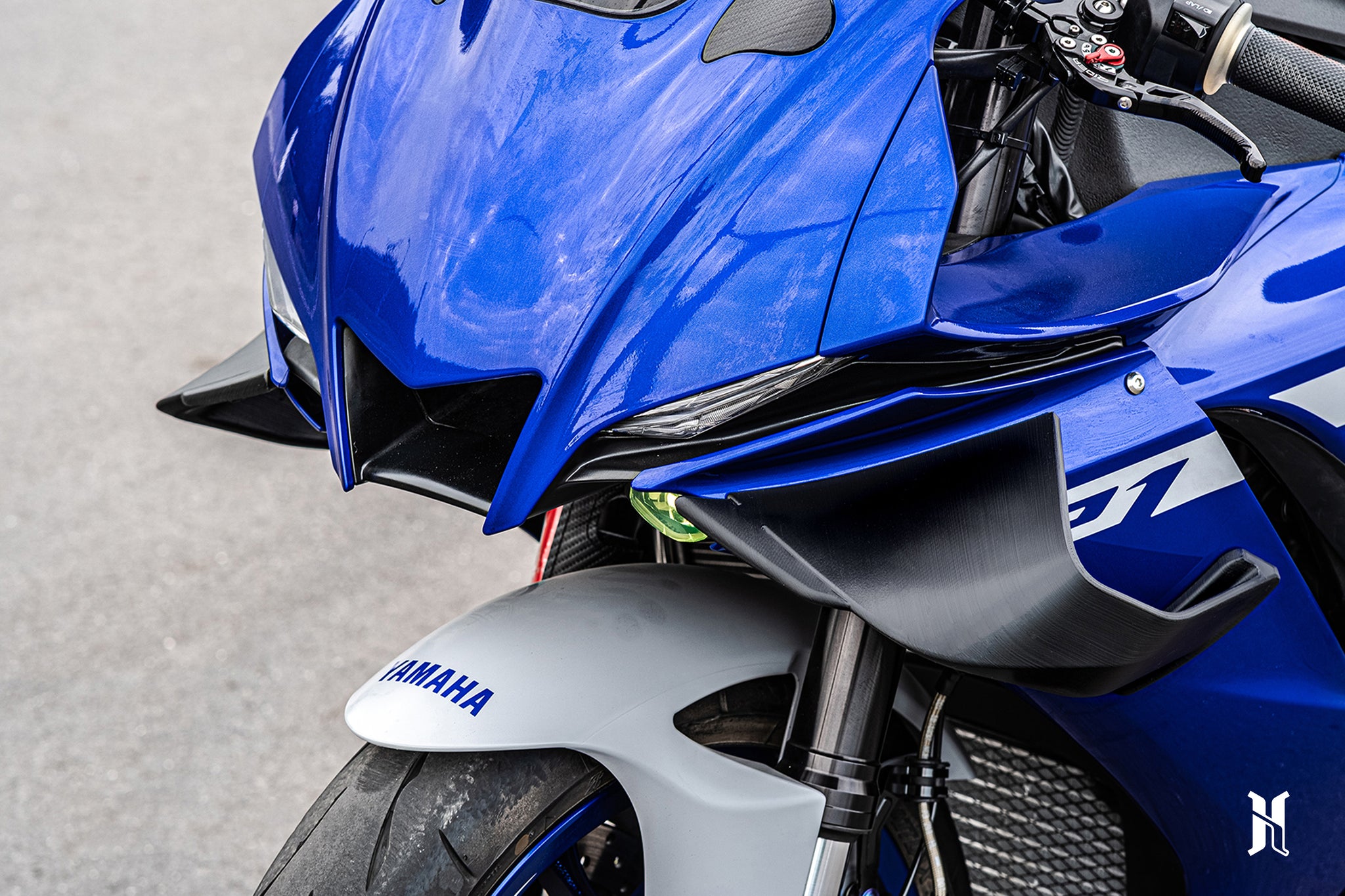
1. Increasing Front-End Downforce
The primary purpose of winglets is to generate downforce – pressing the front wheel toward the road at high speeds.
More downforce means:
- reduced tendency to lift the front wheel during acceleration
- increased stability when braking from high speeds
- more predictable steering inputs
This is particularly important on powerful bikes that can easily wheelie under hard acceleration.
2. Improving High-Speed Stability
At speeds above 150–200 km/h, the airflow around the motorcycle becomes turbulent. Properly designed winglets can help stabilise the bike by controlling pressure zones around the fairing.
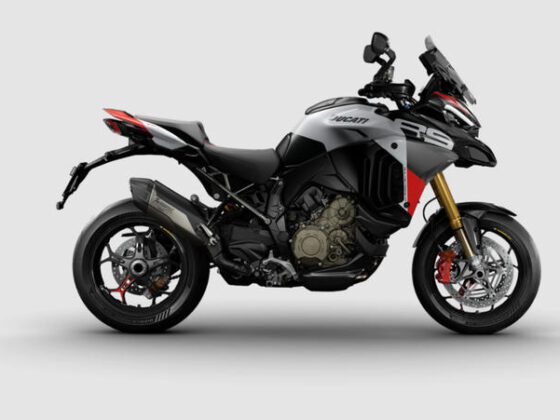
Manufacturers use advanced CFD simulations to tune these shapes – a fact highlighted by Pierobon and Ducati, which openly discuss their aerodynamic development process.
3. Limiting Aerodynamic Lift
Without aerodynamic support, a motorcycle naturally experiences a small amount of lift at high speeds. Winglets counter this effect, keeping the bike planted. This has become particularly important as modern sportbikes continue to push 200+ horsepower.
What the Latest Research Says (Including arXiv Studies)
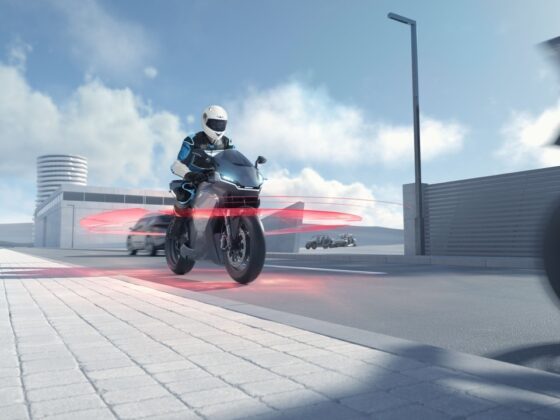
Recent publications show that winglets affect not only the bike that has them, but also vehicles riding behind it.
▶ 2024–2025 arXiv aerodynamic studies
One of the most interesting papers focuses on vortex formation behind winglets – small spirals of turbulent air (similar to airplane wingtip vortices).
The study shows:
- winglets create distinct turbulence patterns behind the motorcycle,
- these patterns can influence stability of the vehicle following behind,
- depending on speed and winglet geometry, turbulence may either be manageable or significant.
This is particularly relevant for racers riding in groups or for fast highway traffic.
Another 2025 paper looks at energy efficiency in electric superbikes and notes that aerodynamic elements – including winglets – can significantly change drag distribution and therefore impact both range and energy management.
In short:
Winglets improve stability for the rider using them, but they introduce aerodynamic disturbances for anyone riding directly behind.
This is a fascinating and still developing area of research.
Why So Many Bikes Have Winglets Now
1. MotoGP Influence
Racing technology always finds its way to consumer motorcycles.
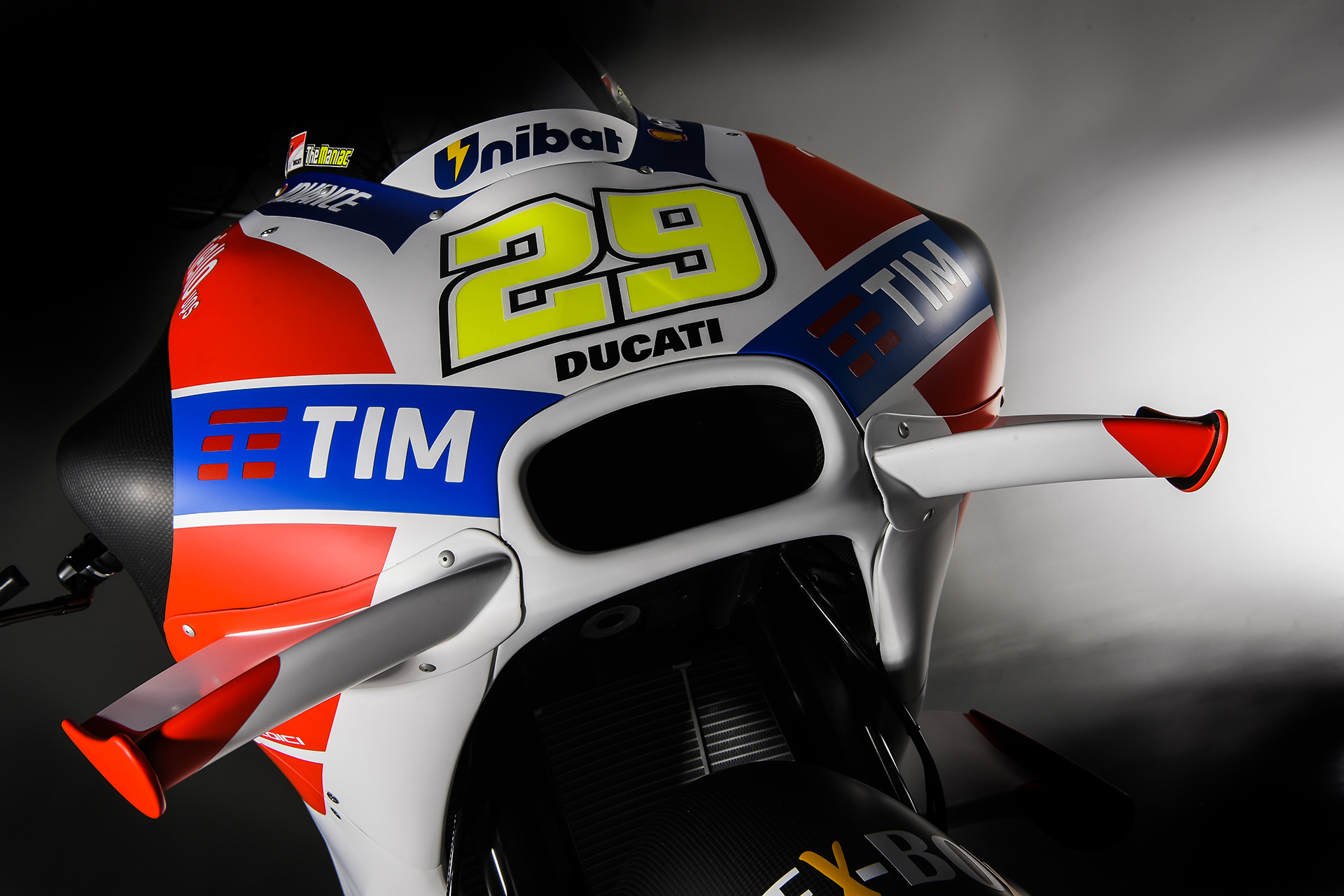
Since Ducati dominated MotoGP with strong aerodynamics, nearly every manufacturer followed.
2. Performance Justification
Modern superbikes have:
- over 200 hp,
- faster acceleration than ever,
- extremely light front ends.
Winglets help control these beasts without relying only on electronic wheelie control.
3. Marketing & Visual Identity
Let’s be honest – winglets look aggressive.
Manufacturers know riders love that.
Even if the aerodynamic benefit is small at legal speeds, the visual impact is huge.
Do Winglets Matter on the Street?
Yes – but not as much as on the track.
Where they help noticeably:
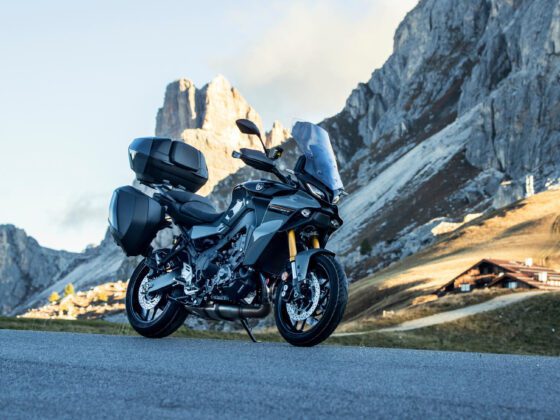
- high-speed touring
- fast highway overtaking
- track riding
- strong acceleration on powerful bikes
Where they are mostly visual:
- city riding
- low-to-medium speeds
- slower adventure or naked bikes
At everyday speeds, the aerodynamic forces are relatively small. However, on a bike with 160–220 hp, even moderate downforce reduces instability and gives confidence when accelerating hard.
New Trends: Active and Adaptive Winglets
Manufacturers are already working on the next step.
- CFMoto patented retractable winglets that extend at higher speeds.
- BMW has patents for winglets that remain horizontal even when the bike is leaning, maximizing consistent downforce in corners.
- Simulations from various engineering teams suggest future motorcycles could use fully active aerodynamic systems similar to modern hypercars.
This is not sci-fi – this is the direction in which the industry is clearly moving.
Conclusion – Are They Worth It?
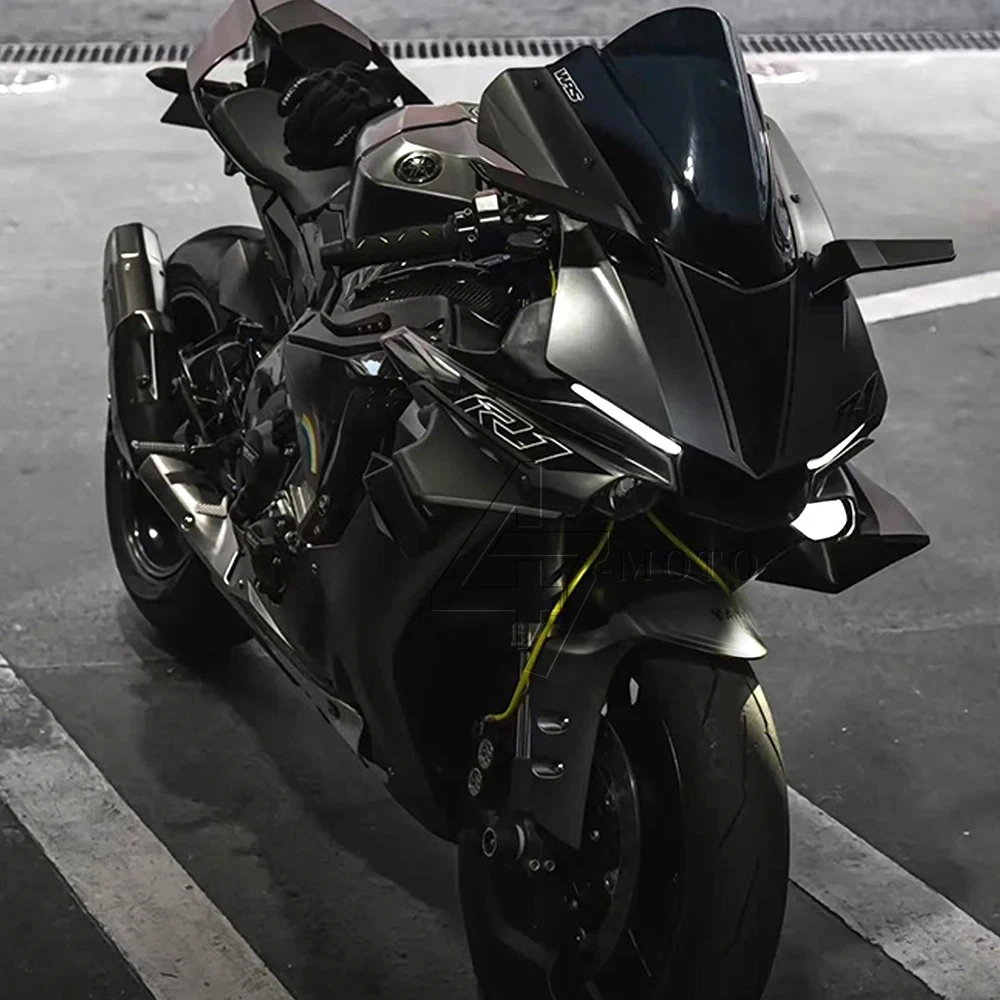
Winglets are not a gimmick – they are a legitimate aerodynamic tool that improves stability and performance, especially on powerful motorcycles and at higher speeds.
However:
- On daily street rides, the benefit is modest.
- Aerodynamic side-effects (turbulence) are real, as confirmed by arXiv studies.
- Their visual impact is one reason we’re seeing them everywhere.
But as engines get stronger and bikes get lighter, winglets will likely become standard equipment, just like ABS or traction control did years ago.
They’re not just a trend – they’re the next chapter in motorcycle aerodynamics.