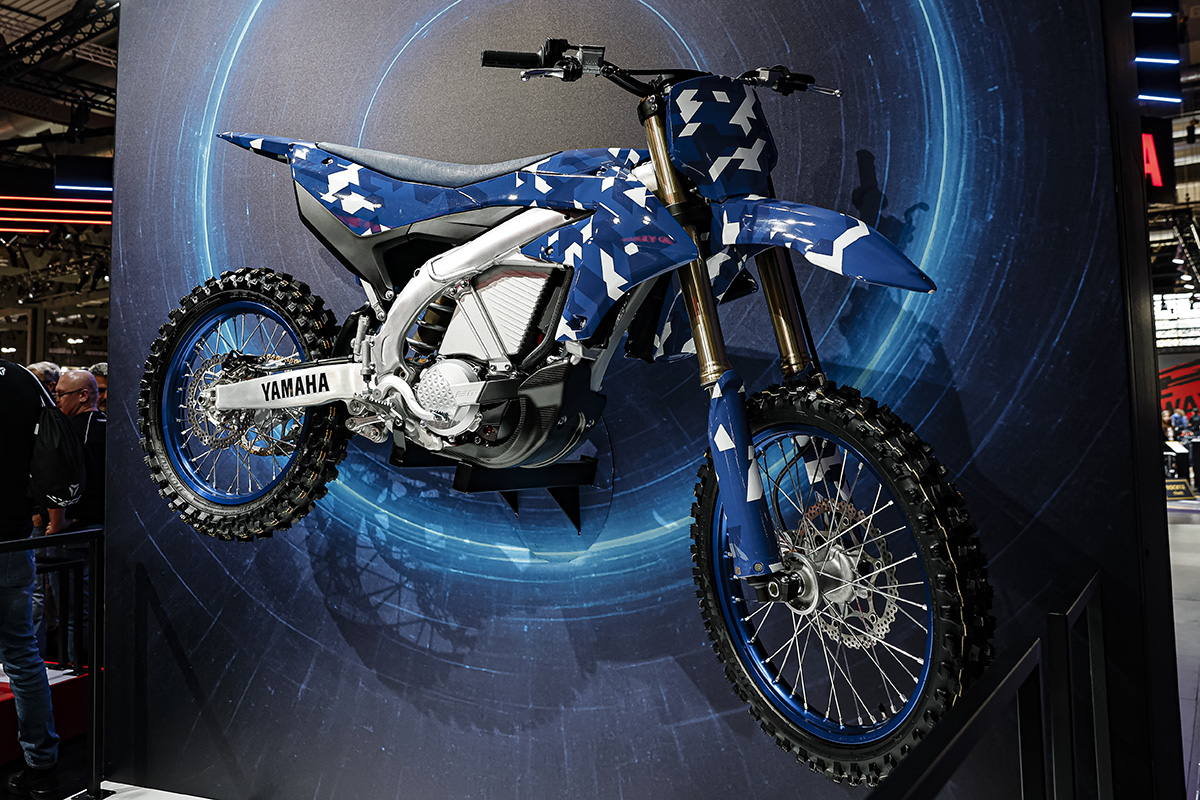
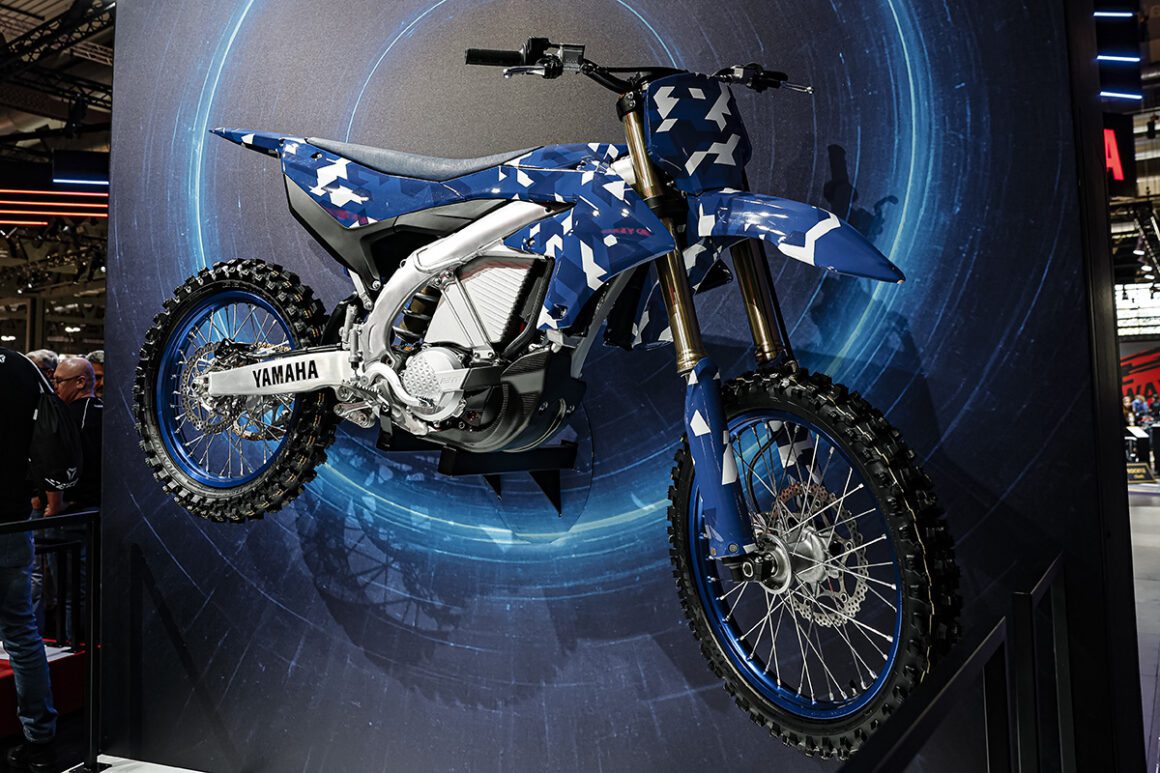
In 2025, Yamaha unveiled the YE-01 Racing Concept, signaling its plans to enter the motocross scene with an electric bike. The YE-01 serves as a test platform for the upcoming MXEP series, Yamaha’s new electric motocross class. While the bike demonstrates innovation and sustainability goals, questions remain about whether electric motocross bikes can truly match the performance, feel, and practicality of traditional gas-powered machines.
Design and Technology
- Partnership with Electric Motion
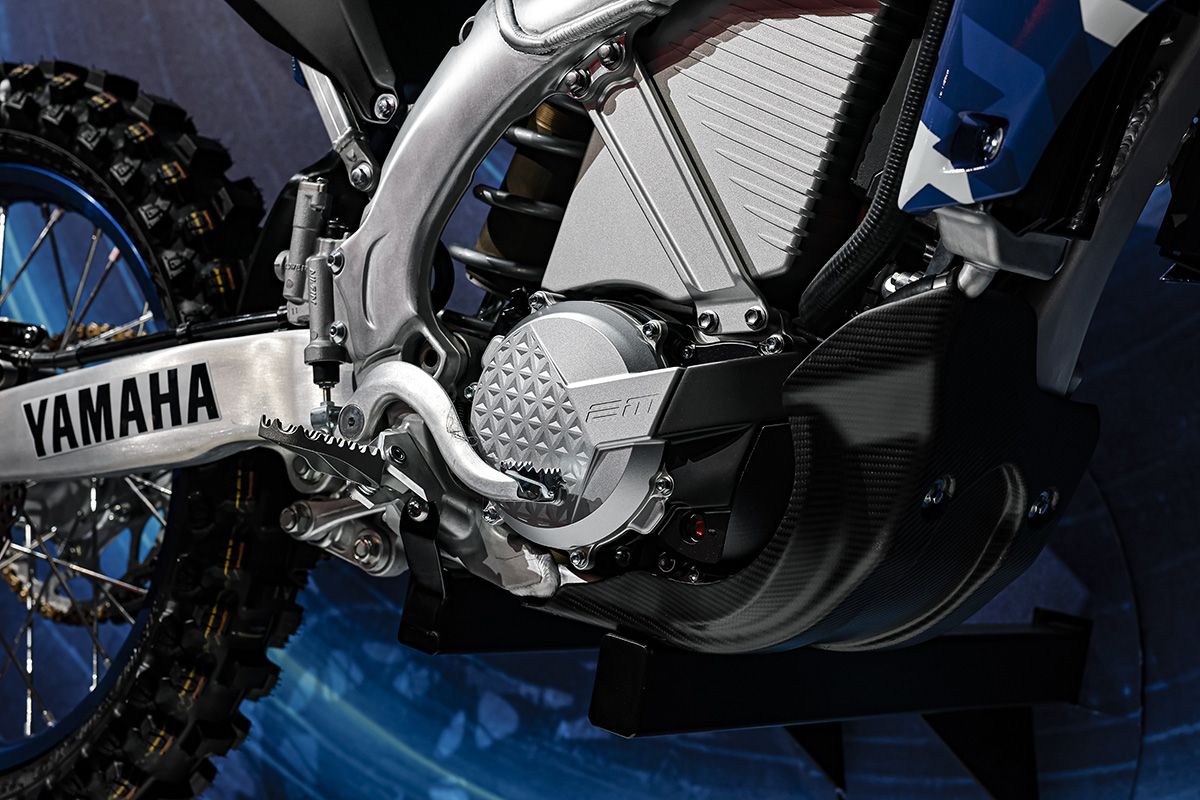
Yamaha developed the YE-01 in collaboration with French company Electric Motion (EM), which has experience in electric off-road motorcycles. - Chassis and Suspension
- The YE-01 uses a frame and suspension closely based on the YZ450F.
- KYB speed-sensitive suspension aims to provide handling similar to conventional motocross bikes.
- Electric Powertrain
- The liquid-cooled electric motor is claimed to deliver MXGP-level power.
- A hydraulic clutch is included, which is unusual for electric bikes, intended to mimic the feel of a traditional engine and provide engine braking.
- The battery is positioned low to optimize the center of gravity, but its weight may affect agility and performance in jumps and tight turns.
- Electronics and Rider Assistance
- YE-01 includes selectable ride modes and traction control for various off-road conditions.
- Critics argue that electronic aids cannot fully replace the nuanced throttle control of a gas-powered engine.
Goals and Strategy
- MXEP: Yamaha plans to test YE-01 in the MXEP electric motocross class, gathering real-world data for future electric models.
- Sustainability: The bike aligns with Yamaha’s 2050 carbon-neutral strategy, though environmental benefits depend on battery production and electricity sourcing.
- Technology Development: Testing the YE-01 allows Yamaha to refine battery management, thermal control, and ride characteristics for future electric off-road motorcycles.
Ride Impressions and Concerns
- Slim body and flat seat allow freedom of movement essential for motocross.
- While the hydraulic clutch provides a more “analog” feel, the instantaneous torque of the electric motor can feel unnatural compared to traditional engines, making precise control more challenging.
- Range and battery weight are practical concerns for racing and training sessions.
Comparison: Yamaha YE-01 vs Stark Varg
| Criteria | Yamaha YE-01 | Stark Varg |
|---|---|---|
| Purpose | MXEP test platform, racing concept | Production-ready electric motocross, used in competitions |
| Chassis | Based on YZ450F, KYB suspension | Lightweight MX frame, designed for high torque |
| Powertrain | Liquid-cooled motor, hydraulic clutch | High-torque motor, minimal clutch feedback |
| Center of Gravity | Battery placed low for balance | Centralized mass, light frame |
| Applications | Racing, technology testing | Competitions, track sessions |
| Advantages | Familiar Yamaha ergonomics, analog clutch feel | Instant torque, low maintenance, proven competitive results |
| Drawbacks | Battery weight, range, development costs | Less analog feel, reliance on electricity, battery wear |
Stark Varg has proven itself in electric motocross competitions, while YE-01 is more experimental. Success of the Yamaha project depends on rider acceptance and technological improvements.
Final Thoughts: Innovation or Experiment?
The Yamaha YE-01 is ambitious and technically impressive, but it raises doubts about the practicality of electric motocross at a competitive level. Battery weight, range limitations, and cost remain obstacles. For now, YE-01 may be more of a technological showcase than a bike ready for mainstream racing. It is a bold statement of intent, hinting at the future of motocross, but whether electric bikes will fully replace traditional engines remains to be seen.